
Stormwater runoff is an issue wherever hard surfaces prevent water from soaking into the ground. More intense rain events on drought-hardened surfaces cause greater stormwater runoff, leading to pollution and downstream flooding and erosion. As a stream valley centric park district, our water resources are impacted by stormwater runoff from all uphill surrounding land uses ranging from the urban core to rural outskirts in addition to our paved roads, trails, parking lots and buildings.
Cleveland Metroparks seeks to address stormwater runoff comprehensively by integrating construction, park maintenance, natural resources, and outdoor experiences teams to tackle this issue. Together Park District staff construct new stormwater control measures, inspect and maintain existing practices, and provide opportunities to volunteers and the public to experience solutions to stormwater runoff. Locally this comprehensive program helps reduce flooding and erosion in our neighborhood streams, while regionally contributing to improved water quality in Lake Erie.
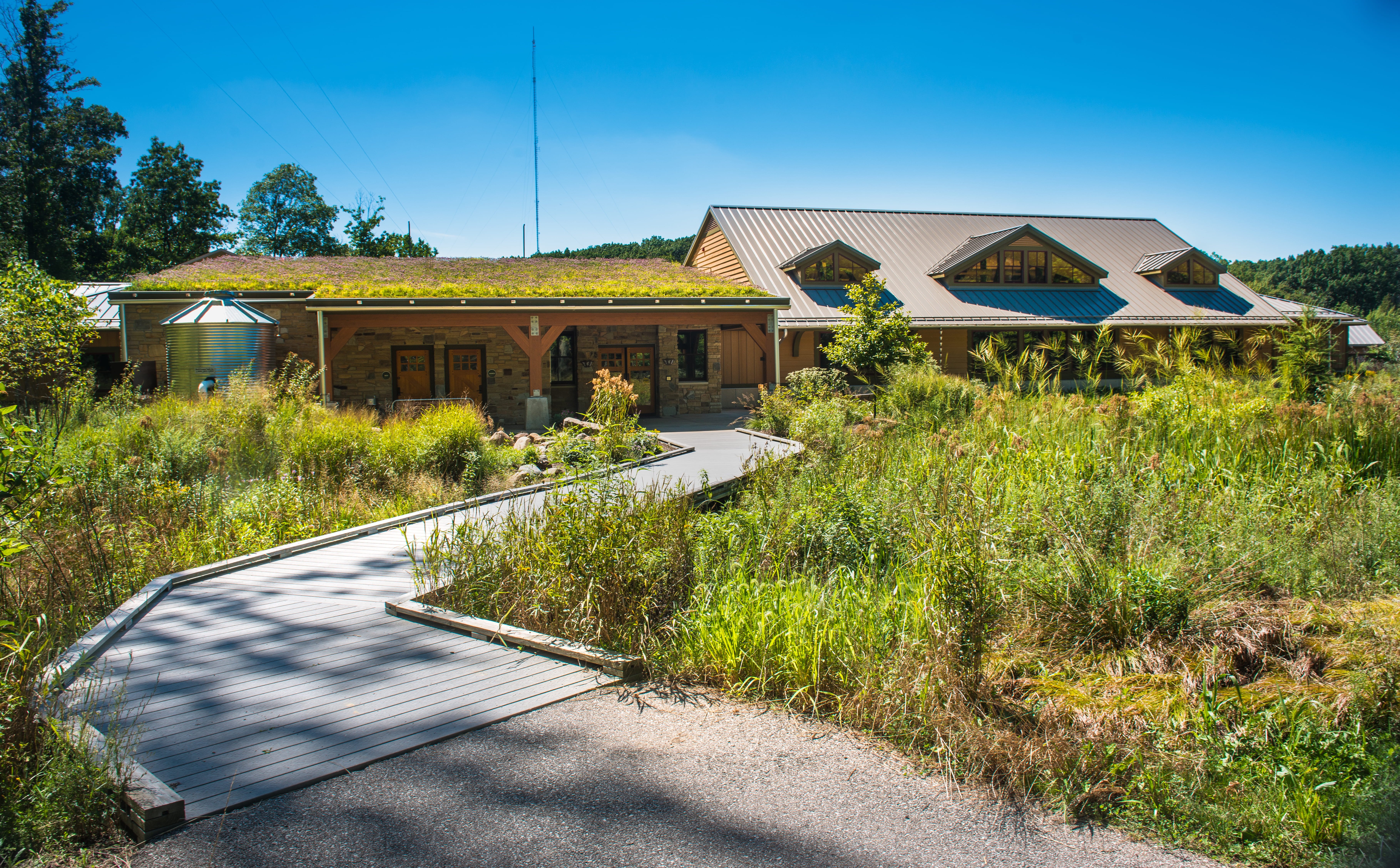
Come learn about and experience stormwater management at the Watershed Stewardship Center
-
As landscapes become more developed and impervious (hard) surfaces increase, flows become higher in streams causing erosion and flooding that damages habitat, properties, and infrastructure. One way to address excess stormwater runoff is to treat it at its source. Practices that capture stormwater runoff to slow down and infiltrate flows are called Stormwater Control Measures (SCMs). These SCMs can be designed to help address flooding and/or water quality.
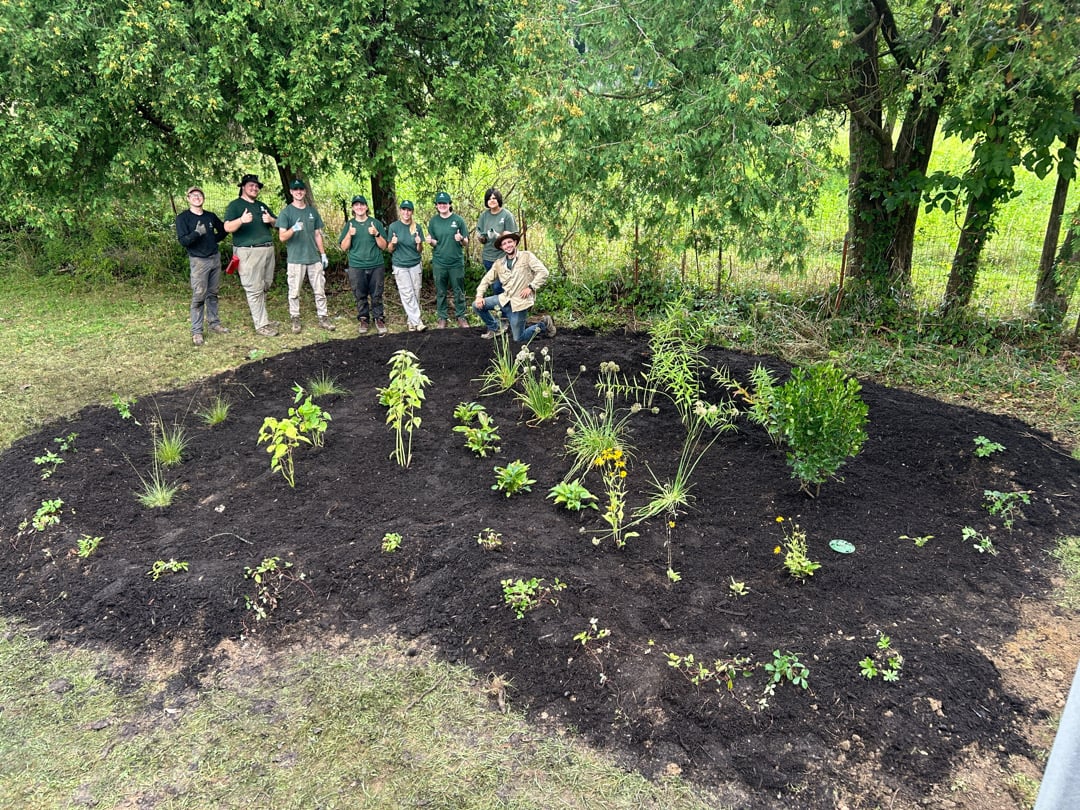
Natural Resources Seasonal Staff and Park Operations Personnel Design and Install a rain garden at an intern house
Cleveland Metroparks installs stormwater control measures to help address stormwater runoff from parking lots, trails, and buildings throughout the Park District. Some of these SCMS are more traditional detention basins designed to prevent flooding, but more are practices known as “Green Infrastructure.” Green Infrastructure practices are designed to mimic and work with nature to reduce and treat stormwater at its source. These practices filter out pollutants, slow down water, and often provide habitat. Examples include rain gardens, bioretention, green roofs, rain barrels, and permeable pavement.
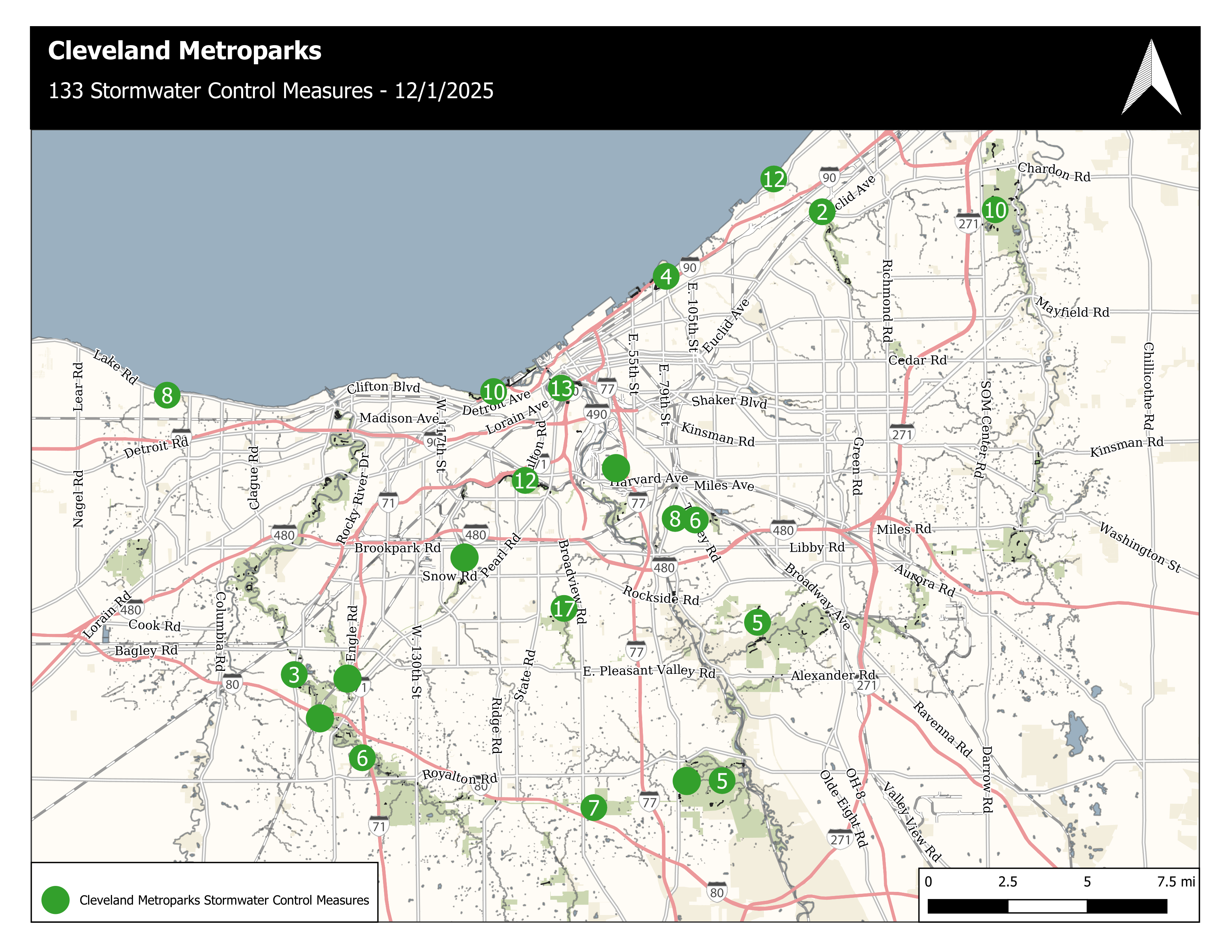
Cleveland Metroparks SCM locations
Utilizing Cleveland Metroparks specialized crews, skills and abilities, the Park District taps an array of staff to design, construct and maintain green infrastructure.
- Director of Construction & Civil Engineering Technician: designs stormwater capture projects, oversees contractor construction
- Landscape Architects: hire and oversee civil design teams, creating planting plans, oversee contractor construction
- Site Construction: build bioretention basins and stormwater wetlands
- Grounds Maintenance: maintain green infrastructure practices
- Seasonal Green Infrastructure Specialists: assist with summer weeding, perform annual inspections to help inform maintenance needs, assist with planting plans, design and build rain gardens, help lead volunteer group maintenance events
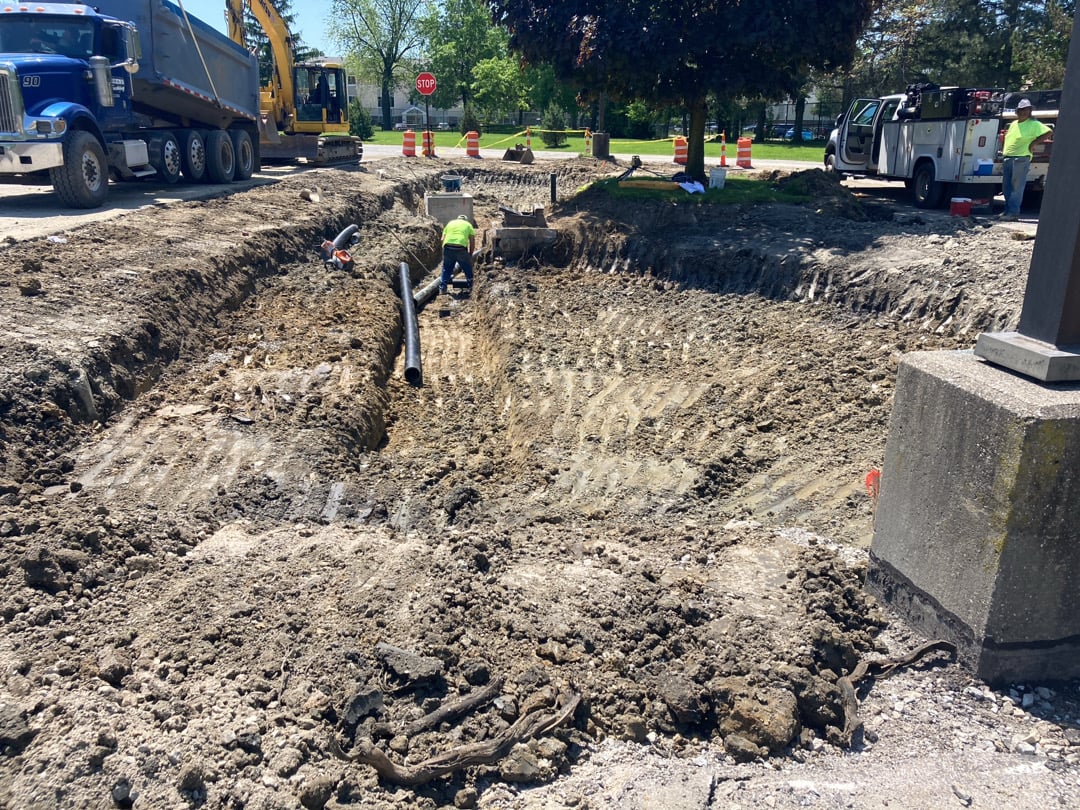
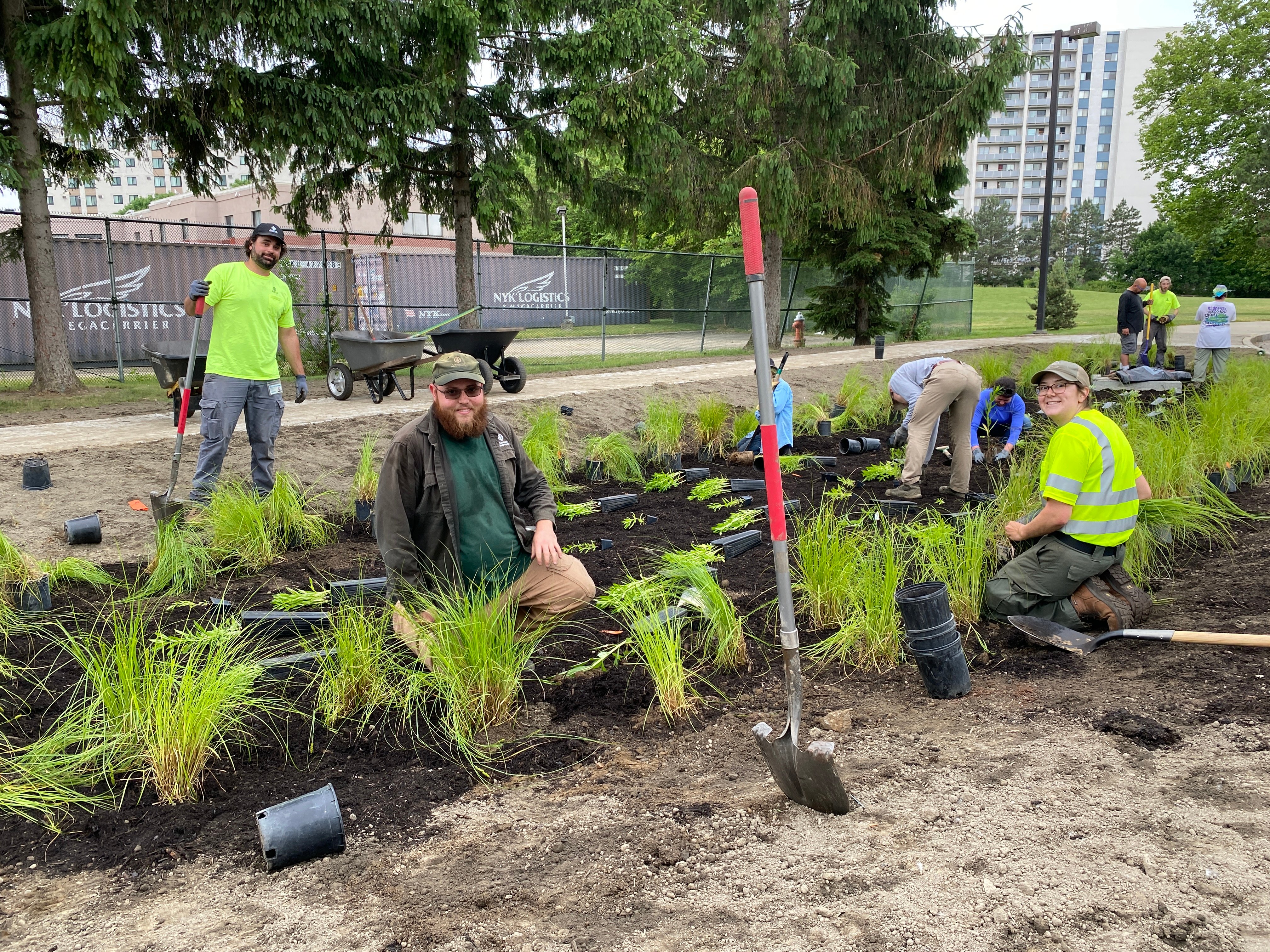
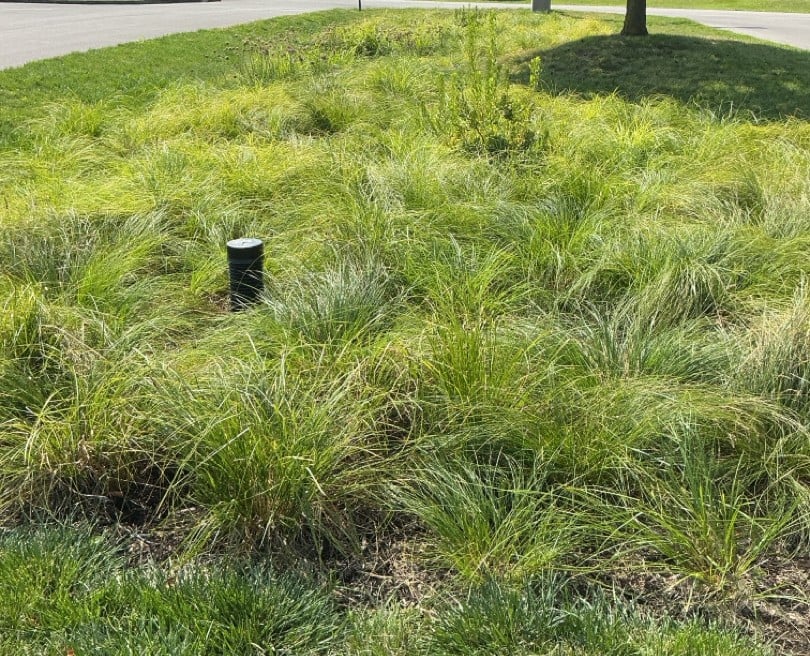
From Left to Right: Contractors constructing a bioretention basin at Euclid Beach. Staff planting. Euclid Beach bioretention basin one year after construction and planting.
-
Our Watershed Volunteer Program provides stewards the opportunity to engage in learning about, monitoring and maintaining green infrastructure. Join us at an upcoming public event to learn more.
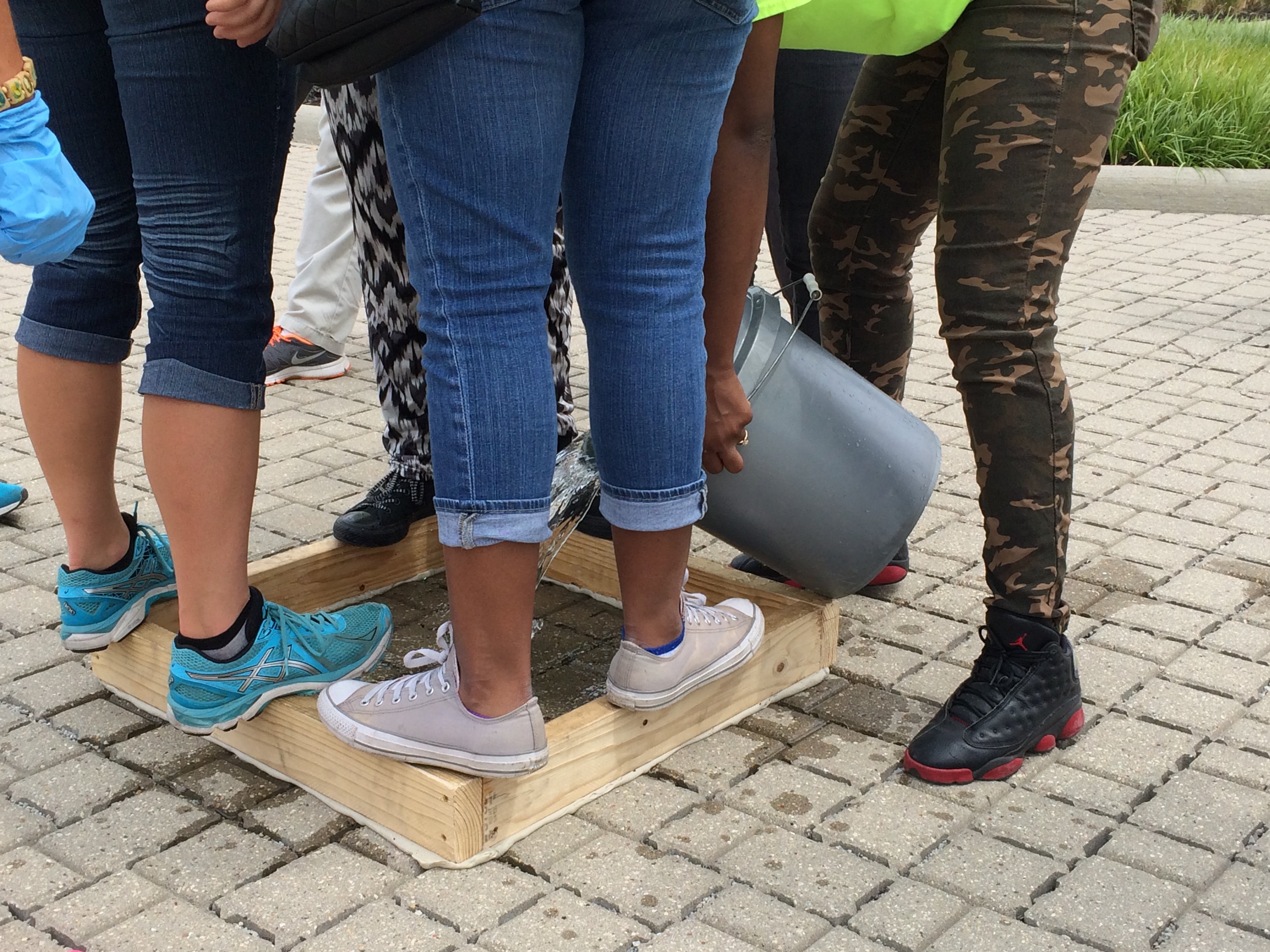
Volunteers conduct permeable pavement infiltration test to determine maintenance needs.
Learn about installing stormwater control measures in your own landscape. Visit our Watershed Stewardship Center, install a rain barrel, or sign up for a master rain gardener course.
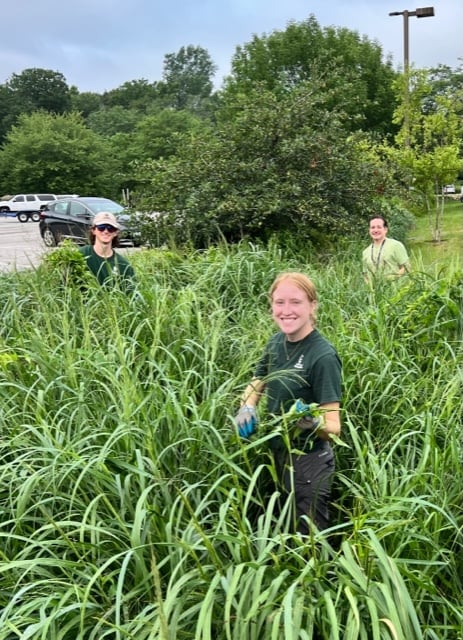

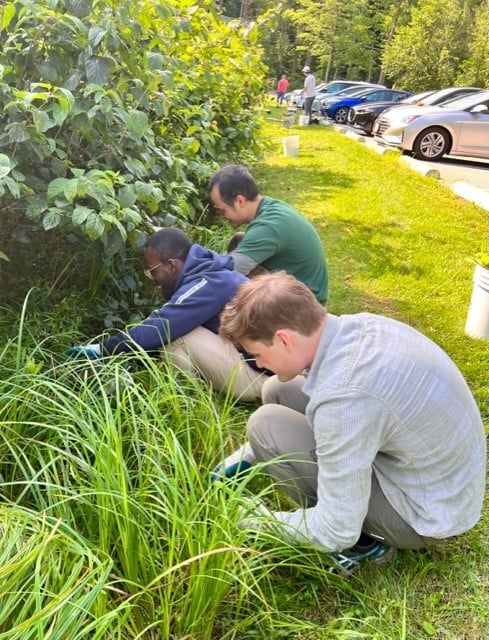
From Left to Right: Natural Resources Seasonals and Watershed Volunteers help weed a bioretention basin at West Creek Reservation. Monarch Butterflies at Euclid Beach bioretention. Natural Resources Seasonals and Watershed Volunteers help weed a bioretention basin at Chalet.