
Event Types
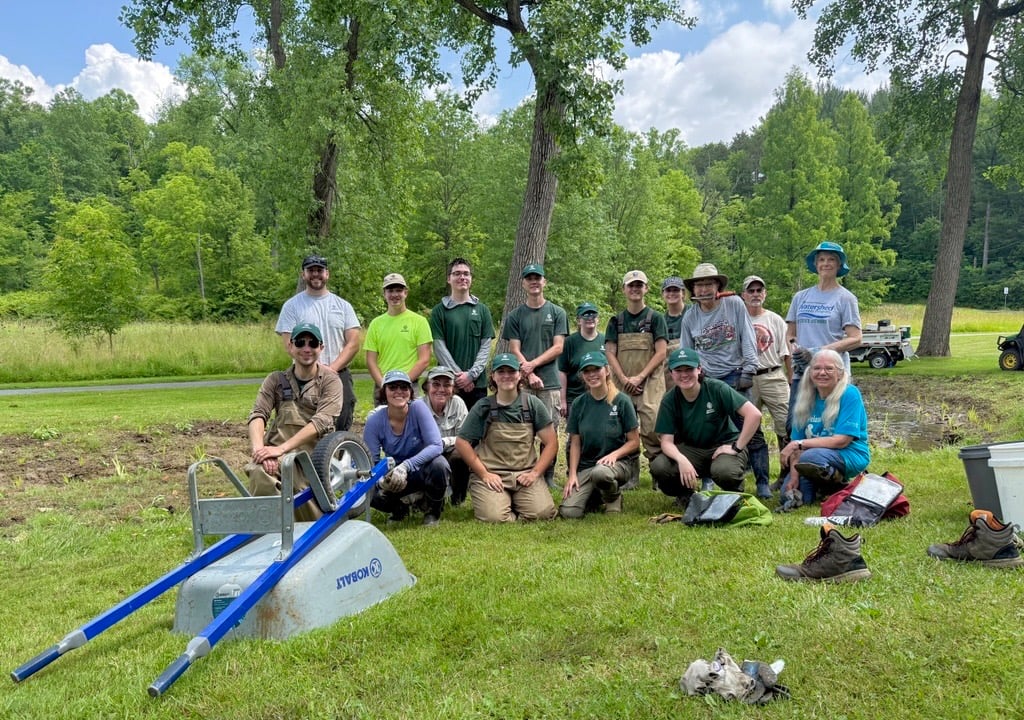
Primary Events: These events are open to registered Cleveland Metroparks WVP volunteers. They count towards credit for Watershed Stewardship Certification. Some events are only open to WVP Certified Stewards. Types of primary events include:
(E)ducation: Broaden and share watershed knowledge at presentations, workshops, community events, and tours
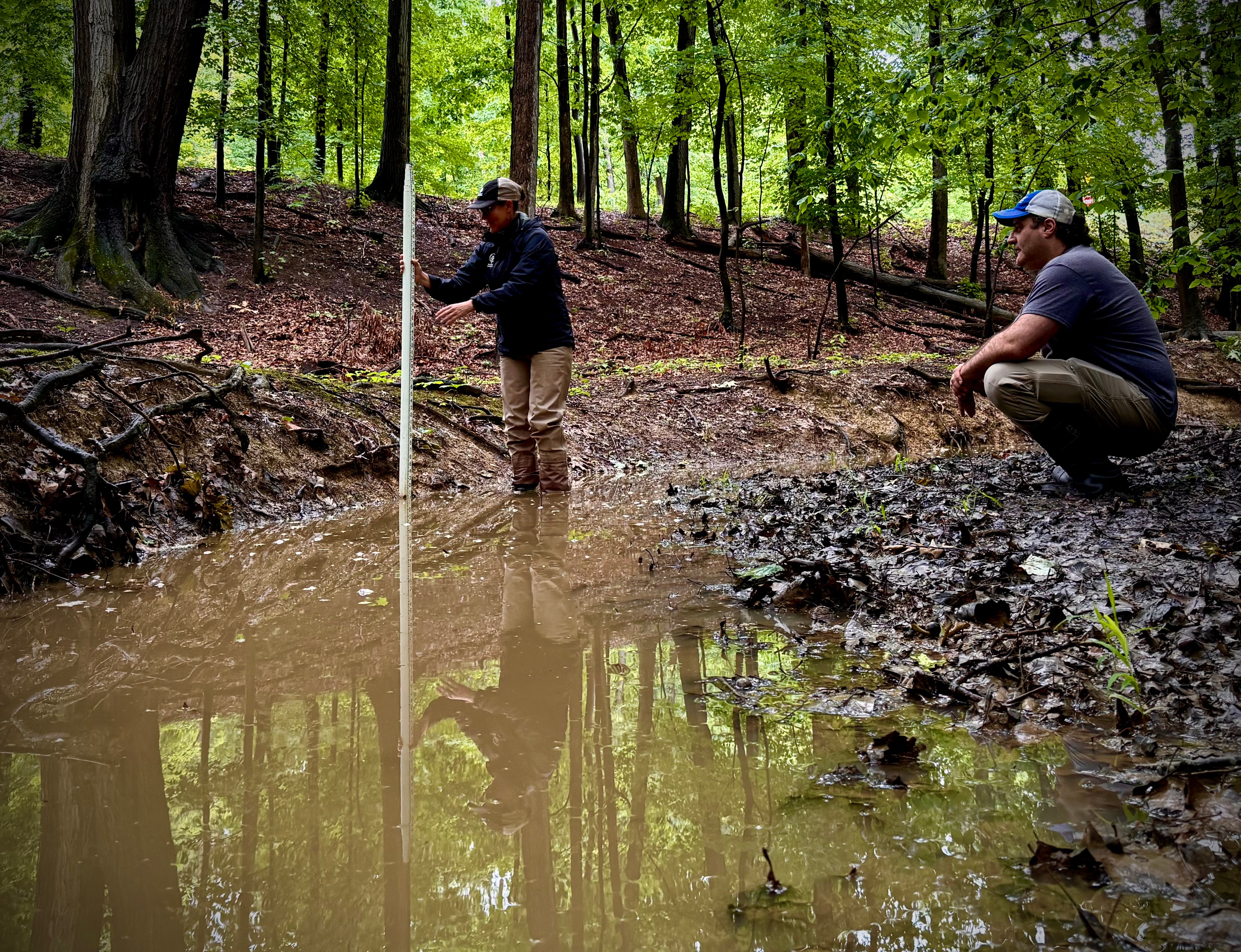
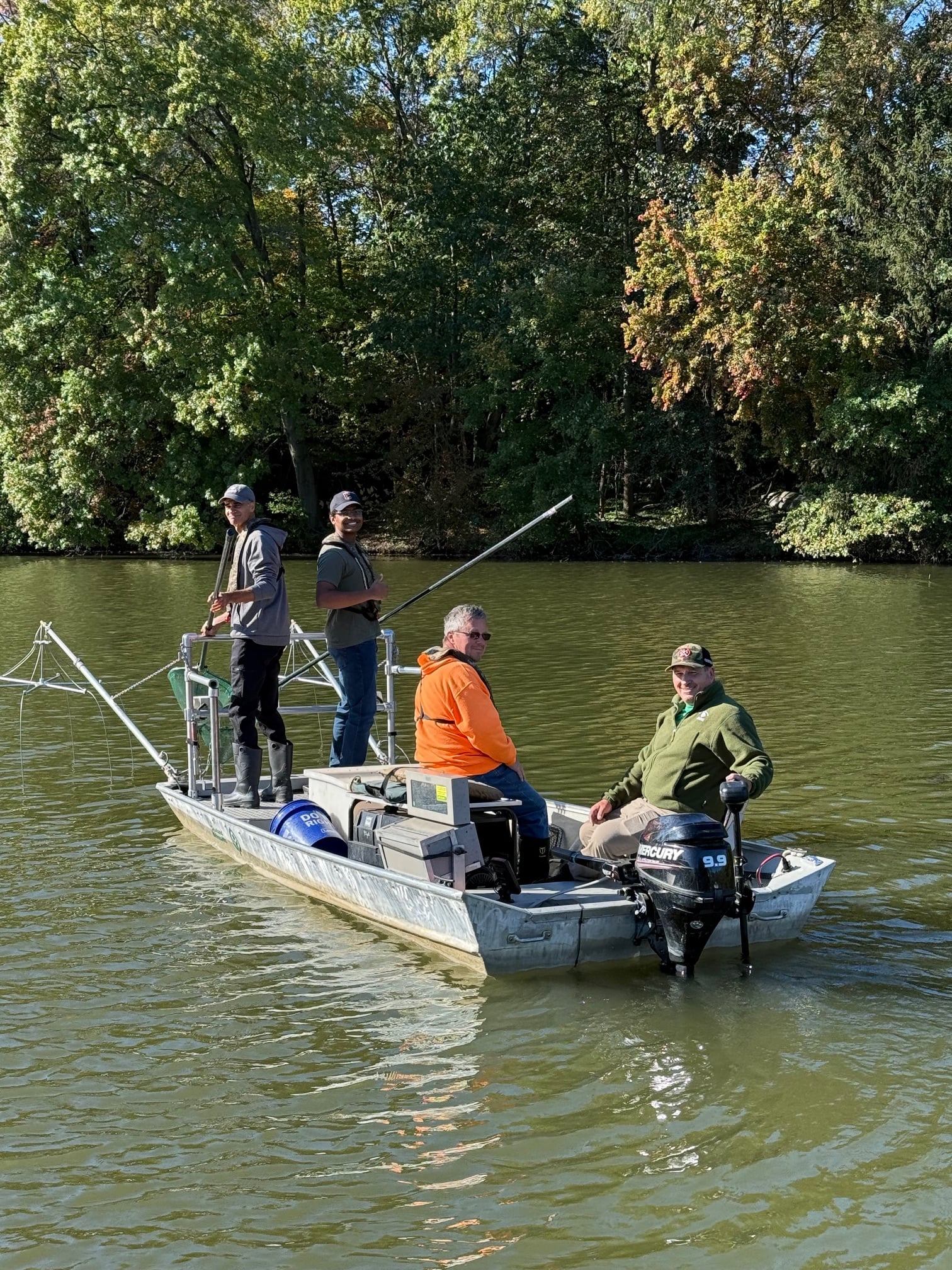
(M)onitoring: Make observations and collect watershed data
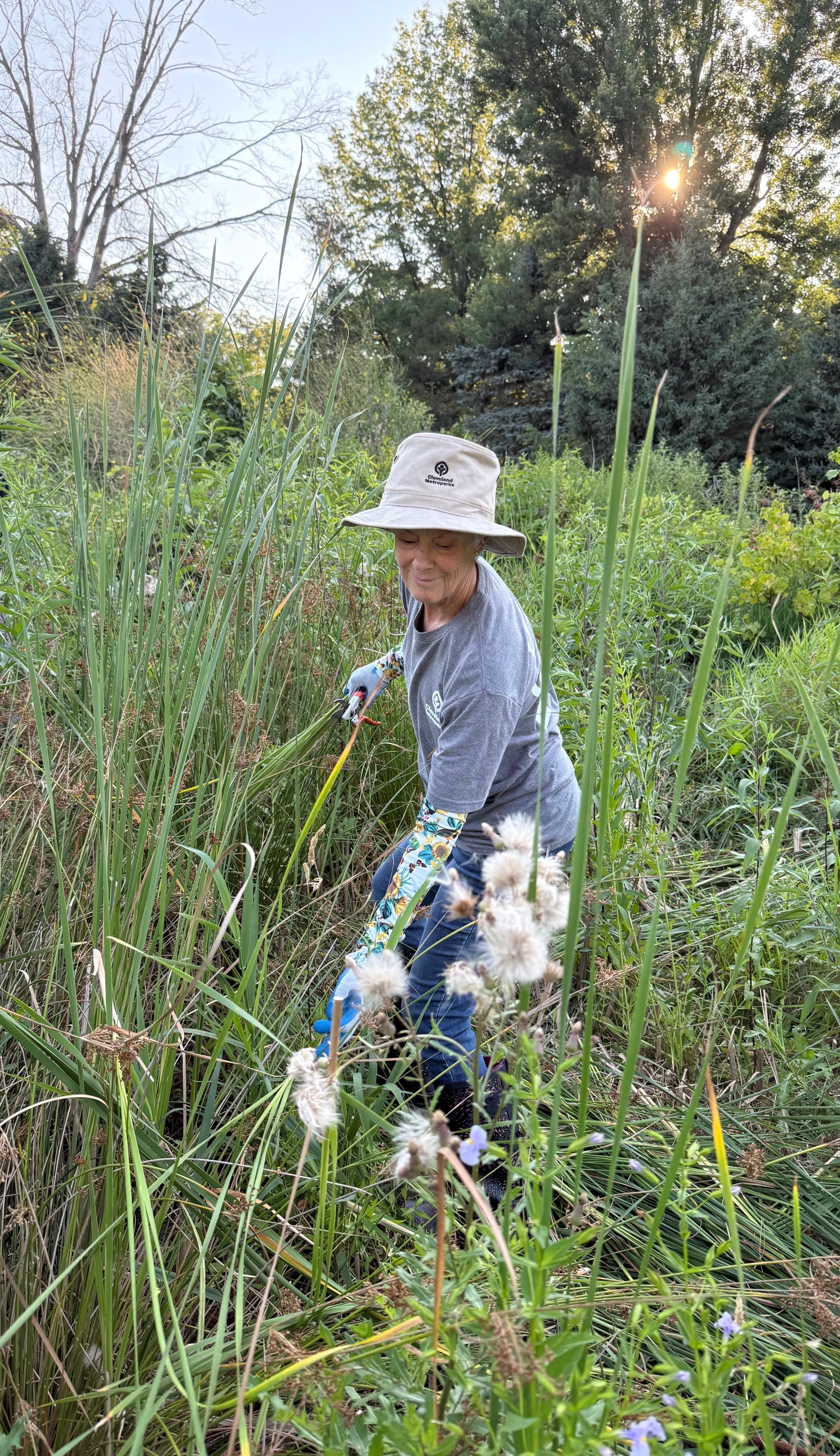
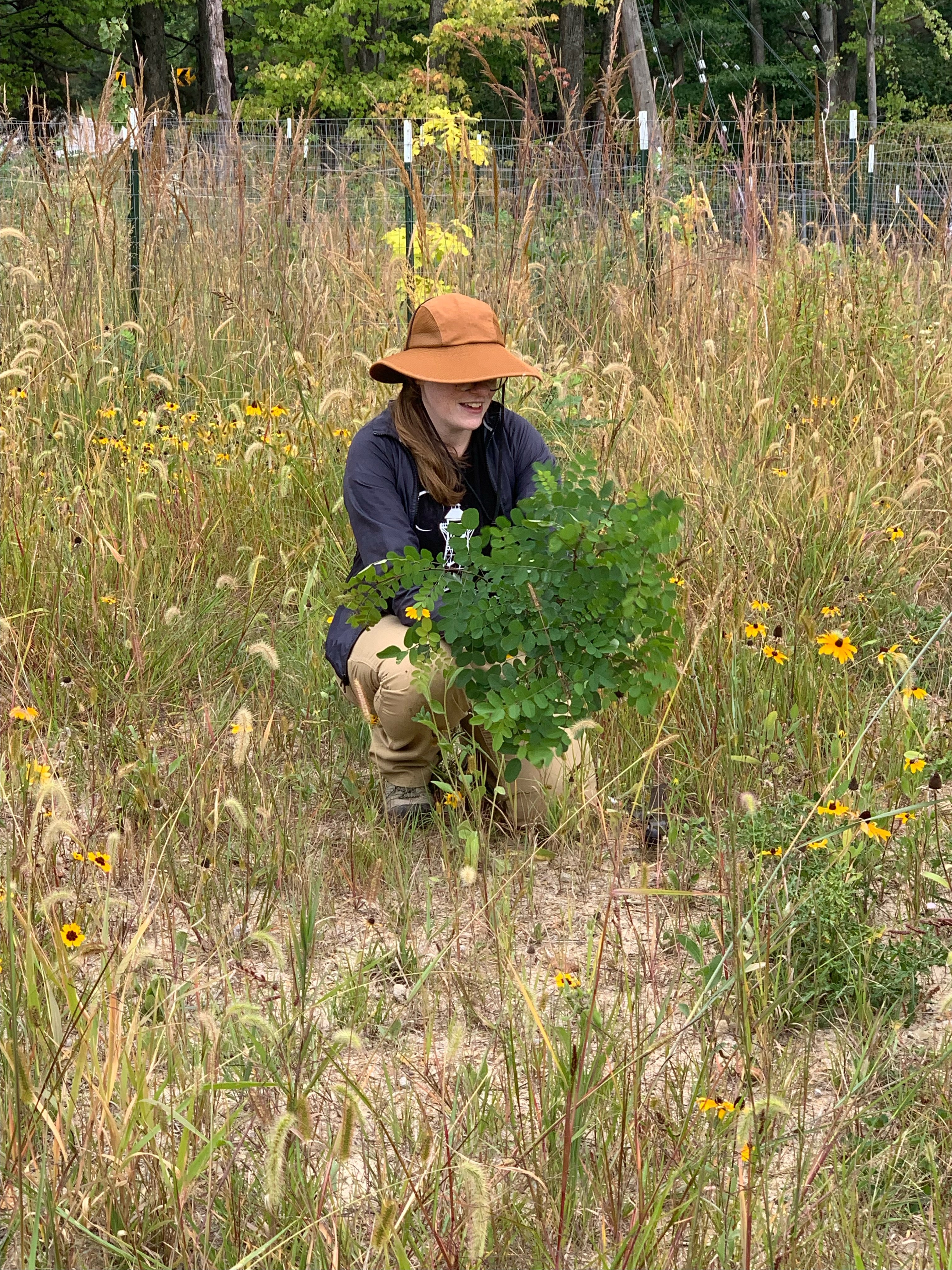
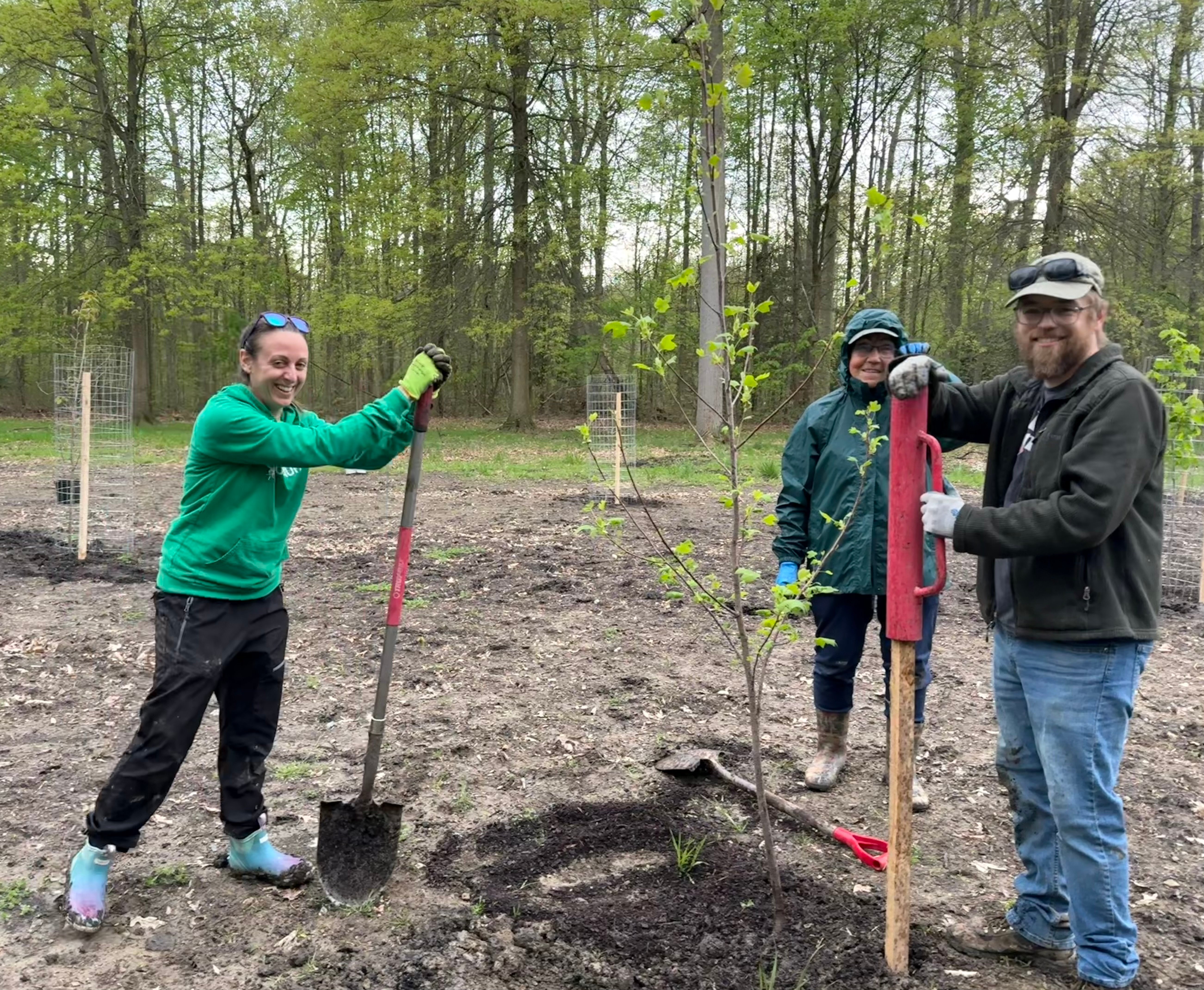
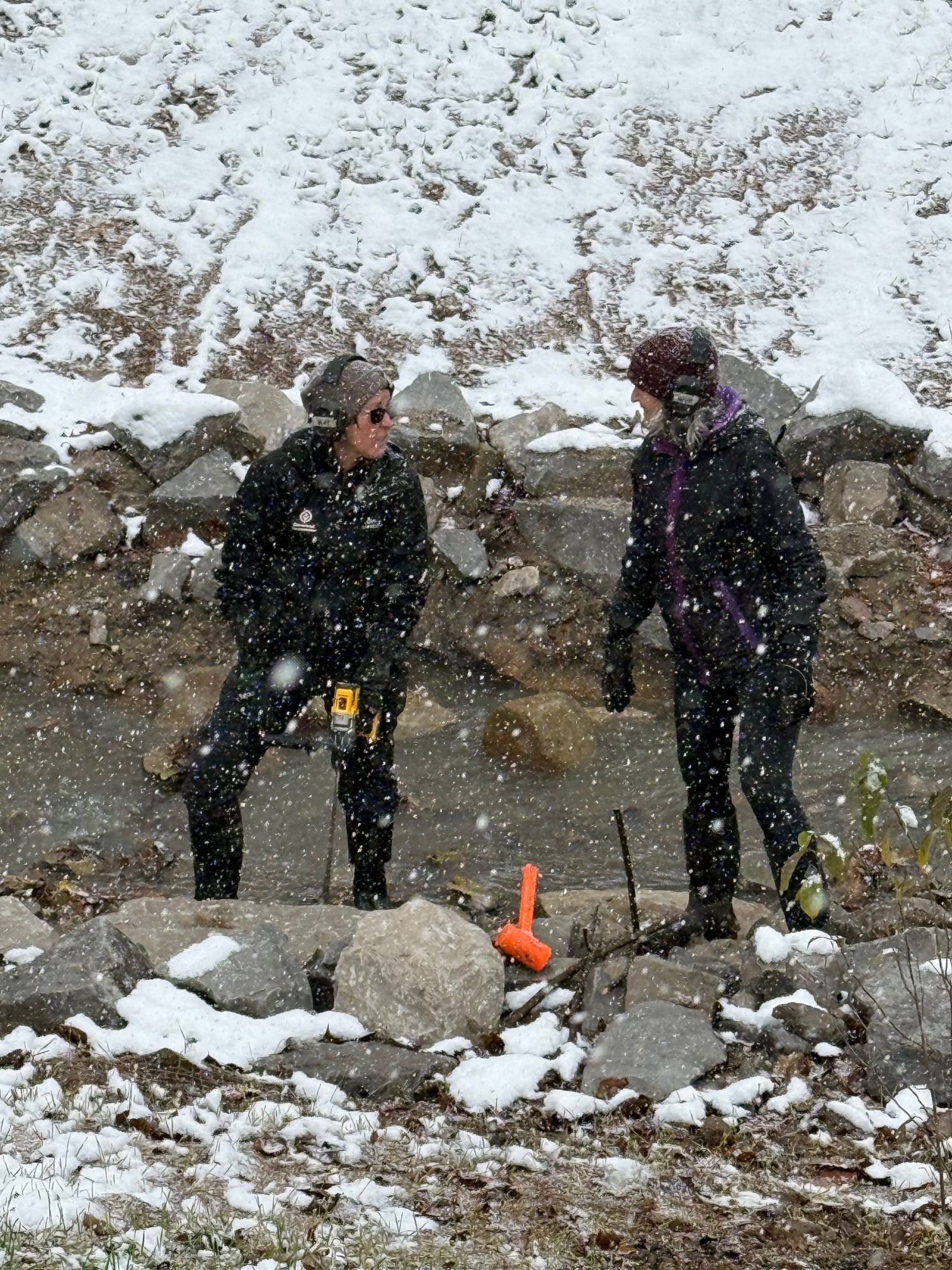
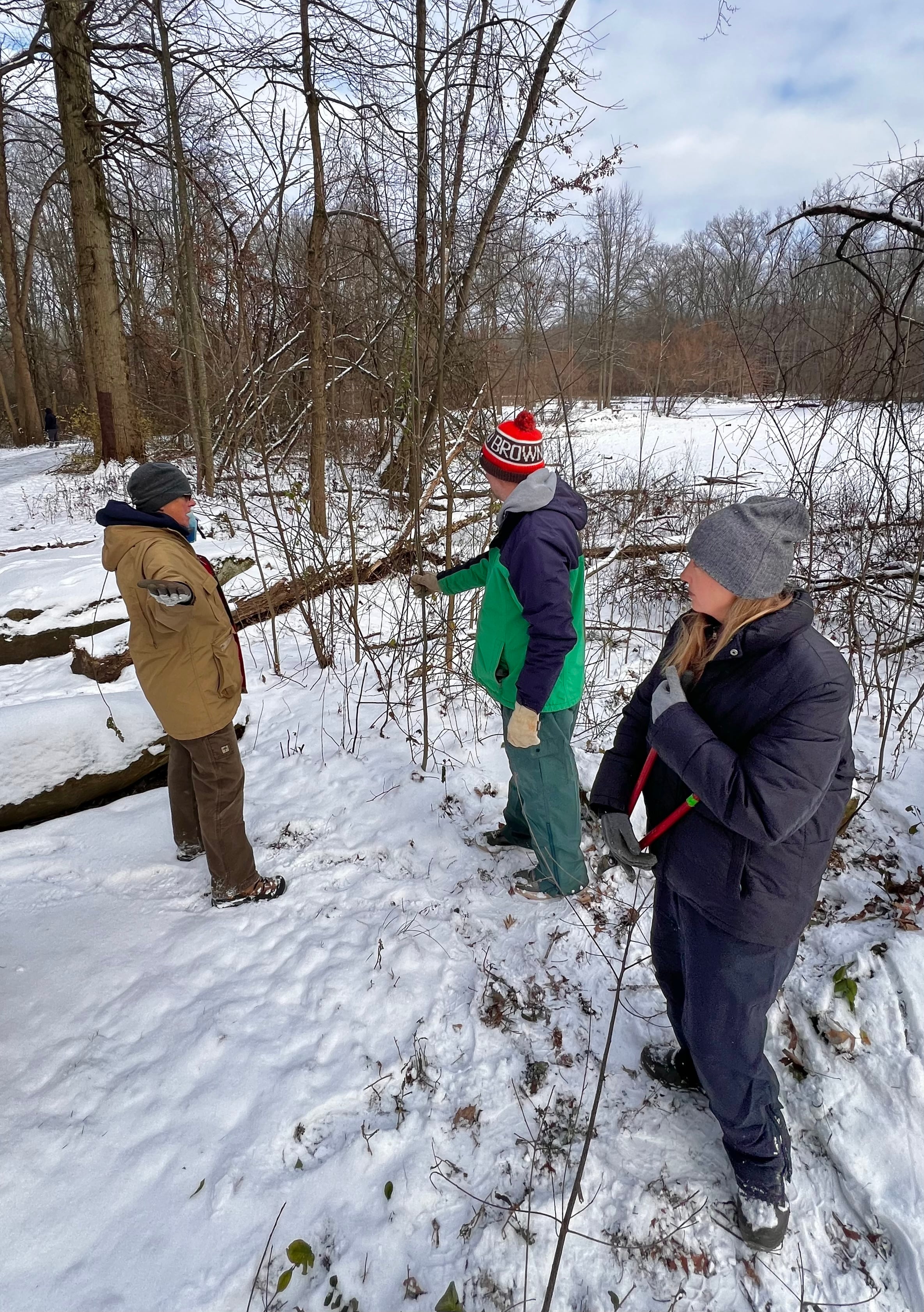
(R)estoration: Restore and care for natural areas and green infrastructure
Public Events: These events are indicated by an (*) at the end of the title and are open to both the public and WVP volunteers. Public volunteers may register here.
(S)upplemental Events: These events are held by our partner and collaborating organizations but count towards WVP service hours. Hours for supplemental events should be logged in Volgistics as WVP (S) Watershed Partner Event.
October Events
(R) Green Infrastructure Planting
Mon, Oct 19, 5:30 - 7 p.m. @ Brecksville Reservation in Chippewa Creek Watershed
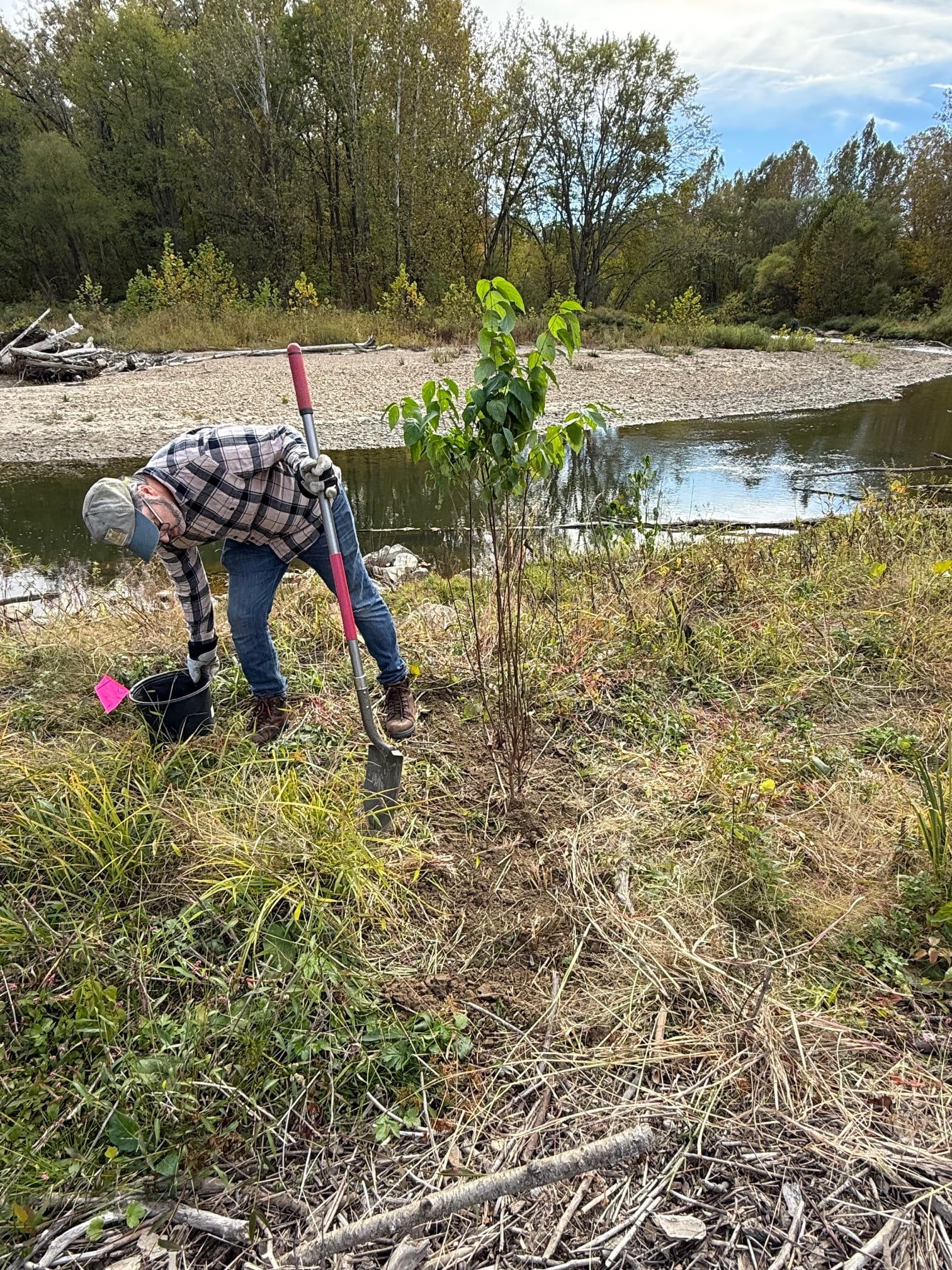
Join us planting native plants in the bioswale in at Brecksville Reservation.
(R) Green Infrastructure Planting
Wed, Oct 21, 5:30 - 7 p.m. @ Brookside Reservation in Big Creek Watershed
Join us planting native plants in the bioretentions at Brookside Reservation.
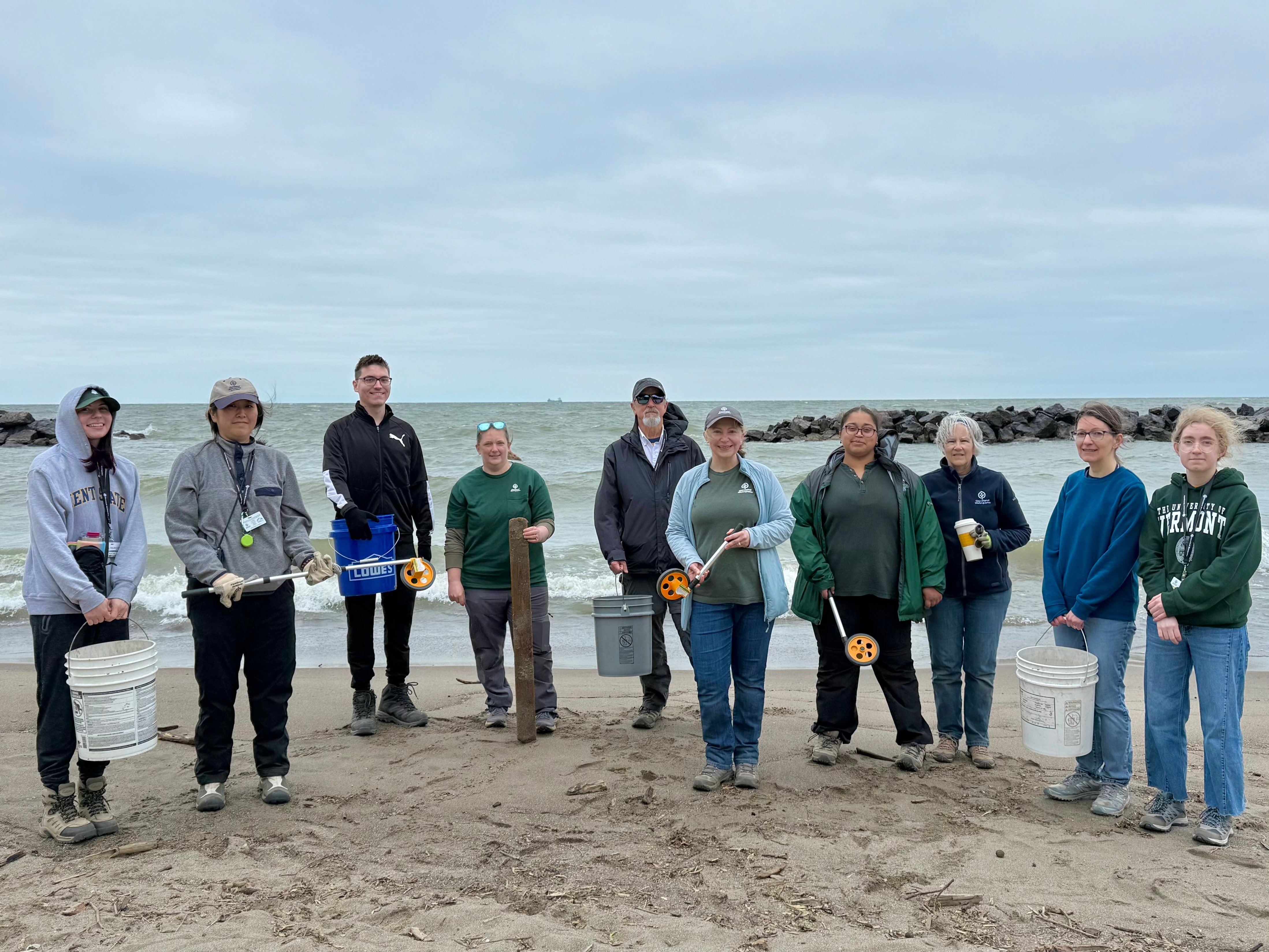
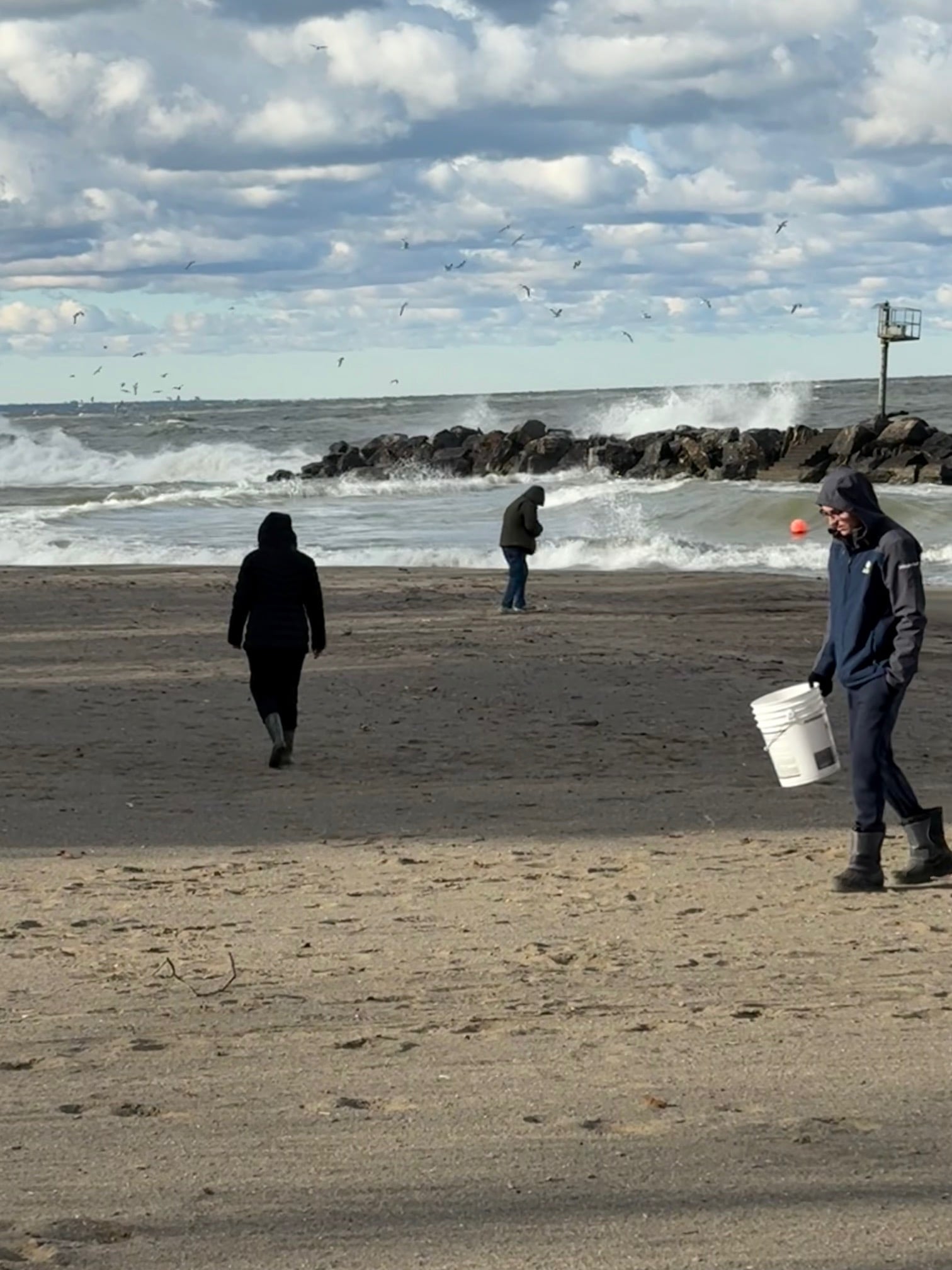
(M) Marine Debris Monitoring
Sun, Oct 25, 9 - 11 a.m. @ Euclid Beach in Euclid Creek Watershed
Join us for monitoring Marine Debris at Euclid Creek.
(E) Salt Watch Talk and Training with Izaak Walton League of America
Wed, Oct 28, 6 - 7:30 pm @ Watershed Stewardship Center, West Creek Reservation in West Creek Watershed
Join Samantha Puckett, Clean Water Program Director at Izaak Walton League of America, to learn about Salt Watch and how monitoring efforts can make a difference. Receive training and monitoring strips to test chloride at designated sites. If you have previously participated in Salt Watch or are interested in participating in Salt Watch this year, we encourage you to attend this training and talk.
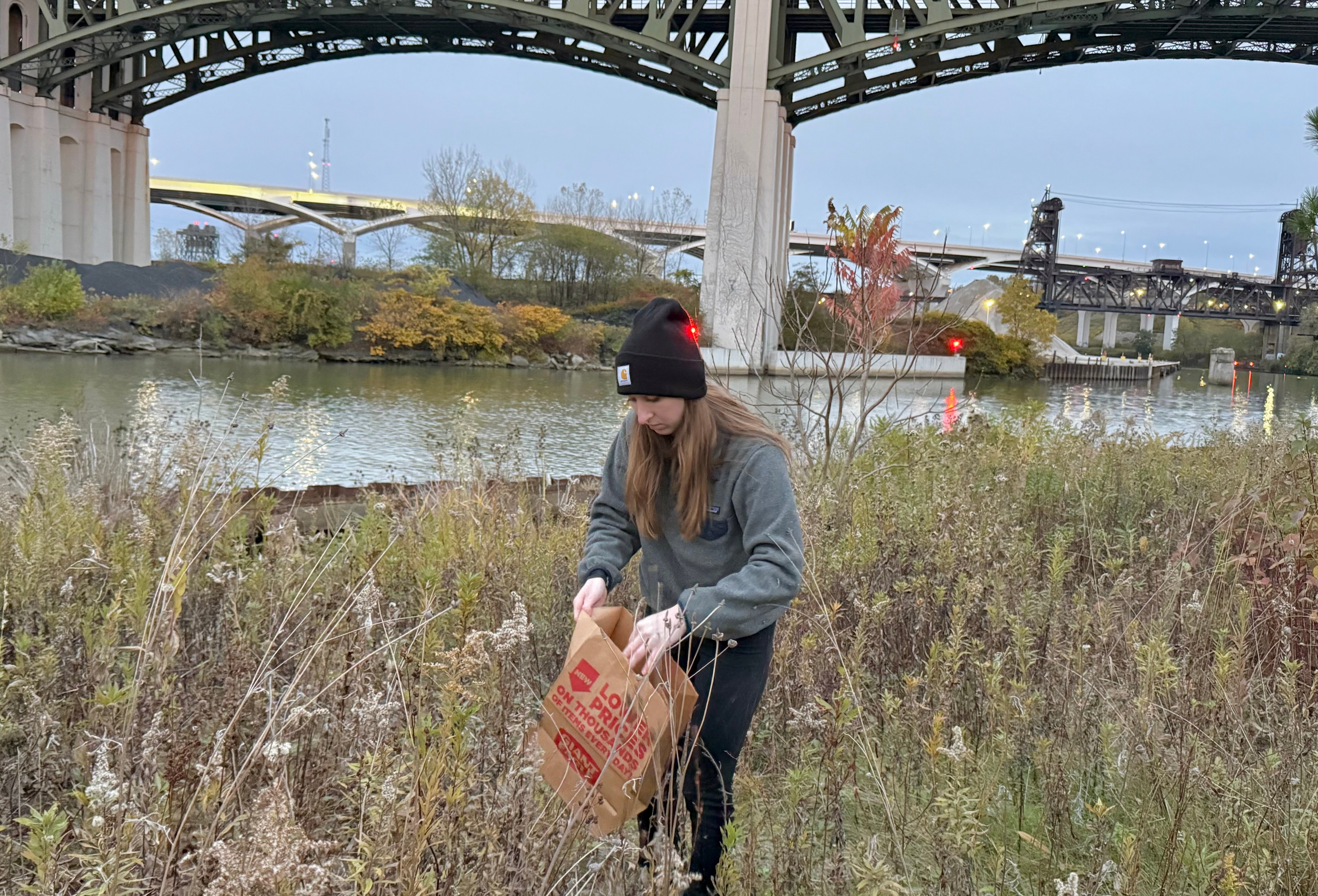
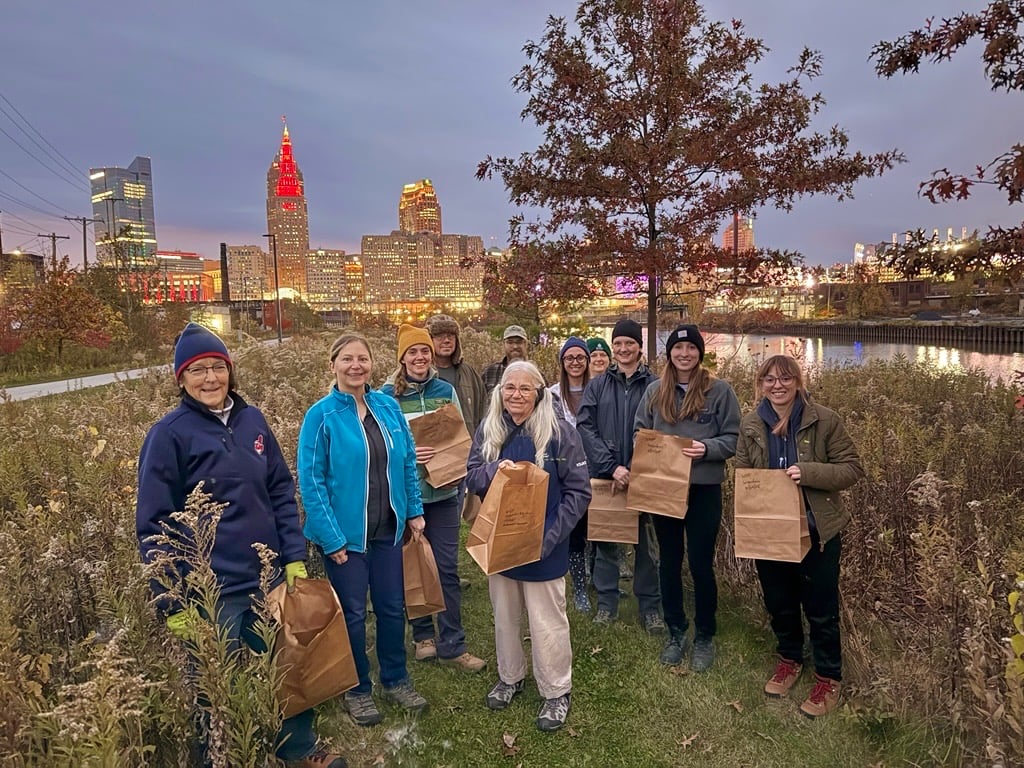
(R) Seed Collection
Fri, Oct 30, 5:30 - 7 pm @ Scranton Flats in Cuyahoga River Watershed
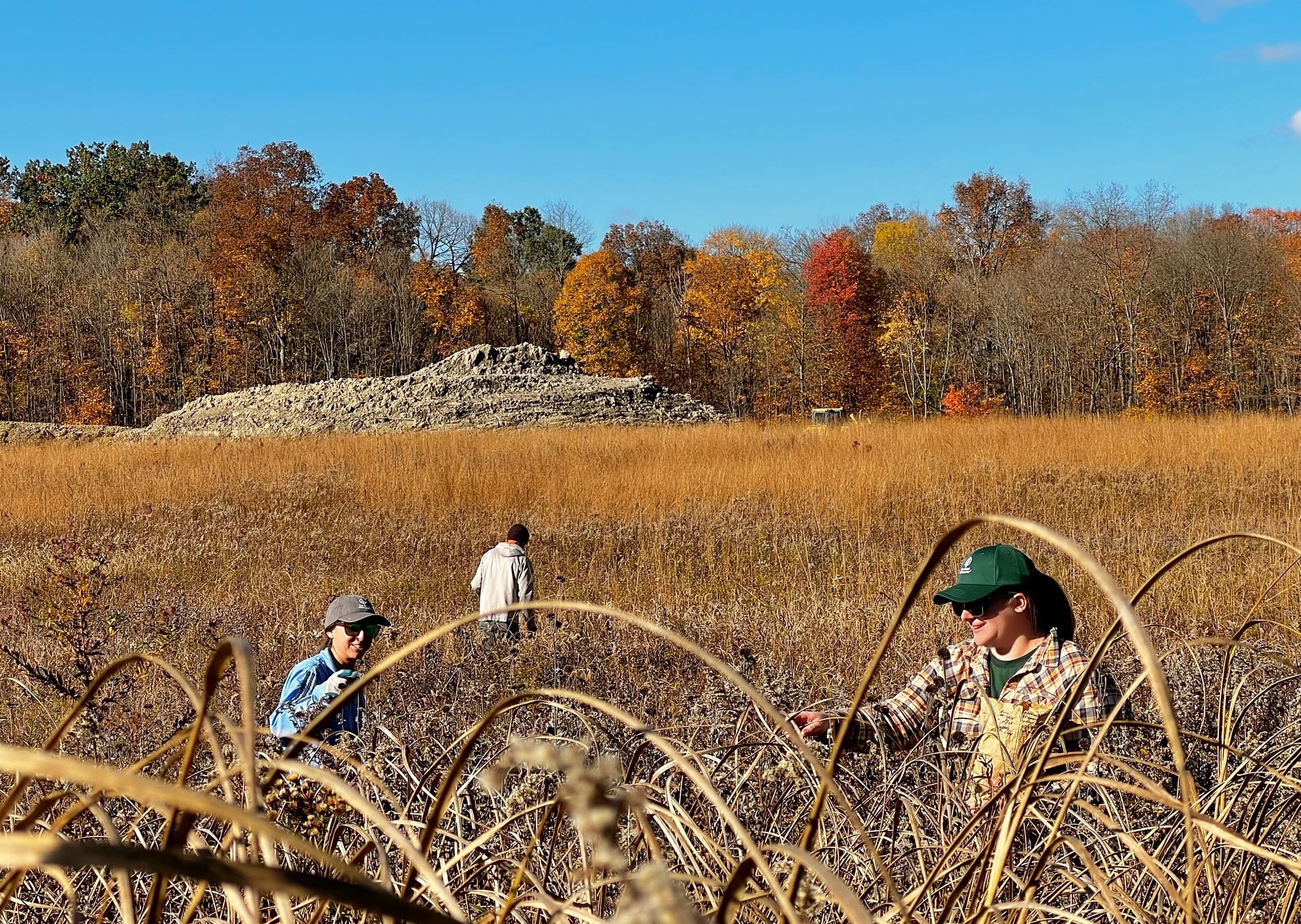
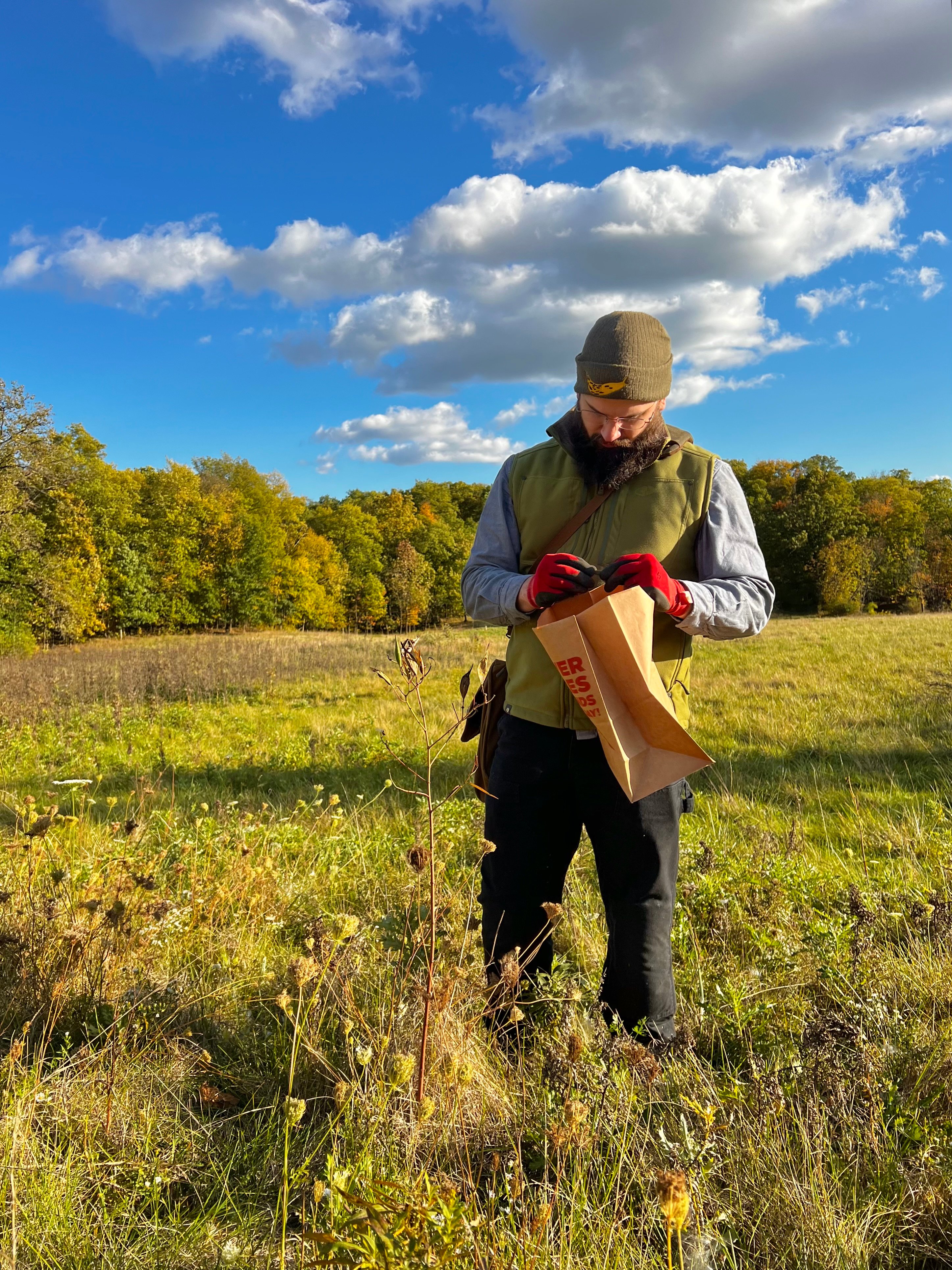
Join us collecting native seeds for use in future restoration projects throughout Cleveland Metroparks. Dress in layers for wet soil and thorny vegetation; wear boots, long pants, and long sleeves.
October Supplemental Events
Hours for supplemental events should be logged in Volgistics as WVP (S) Watershed Partner Event.
(S) Summit Metro Parks Protecting Our Drinking Water
Wed, Oct 21, 7 - 8:30 p.m. @ GYH/Goodyear Heights Lodge
Join the Greater Akron Audubon Society and City of Akron Stormwater Superintendent Jessica Glowczewski to learn how the City of Akron manages the Upper Cuyahoga River watershed. We’ll discover where Akron’s water comes from, how it’s monitored and the many programs dedicated to keeping your drinking water clean and our watershed healthy.
More Information and Registration Here
(S) Doan Brook Annual Watershed Symposium
Tues, Oct 22, 5:30 - 8:30 p.m. @ Stonebrook Montessori Hub
The night will feature posters from some of our partners about exciting work going on in the watershed, presentations from DBWP staff on the state of the organization, this year’s accomplishments and next year’s goals, as well as award ceremonies for this year’s Watershed Hero and Impact Award recipients. We hope you will join us to celebrate another year of engagement and stewardship in the Doan Brook Watershed!
More Information and Registration Here
(S) CSWCD: Rain Barrel Workshop | East Cleveland Millionaires Row Neighborhood Association
Sat, Oct 24, 3 - 4 p.m. @ East Cleveland Public Library
A rain barrel captures and stores water that would otherwise rush into storm drains untreated. By using this collected water on your lawn and garden, you conserve resources, support healthier waterways, and keep your plants happy. The workshop begins with a brief presentation and demonstration on assembling a rain barrel using the diverter kit. After the presentation, you’ll receive the rain barrel system(s) you purchased during registration. You’ll have everything you need to assemble your rain barrel system(s) at home using just a drill and a screwdriver.
More Information and Registration Here
(S) Euclid Tree Planting & Giveaway
Sat, Oct 24, 3 - 5:30 p.m. @ Euclid City Hall/Memorial Park
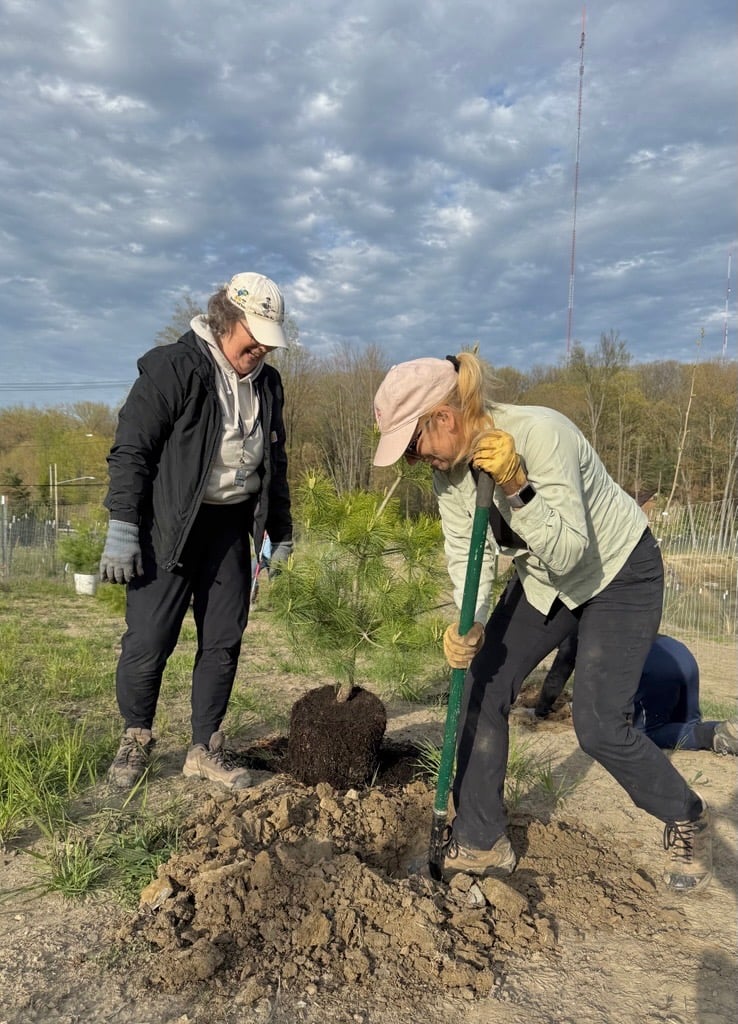
Learn how to plant a native tree! Participants will help us plant some trees near Euclid City Hall and then get to take one home themselves.
NOTE: This event is near the parking lot behind City Hall! Limit one per person for the first 20 registrants. Anyone who receives a tree will also take home care instructions, deer protection, and a watering bag.
More Information and Registration Here
(S) TCWP: Global Lessons, Local Actions: Grassroots Water & Climate Solutions from Cameroon
Thurs, Oct 29, 12 - 1 p.m. @ Webinar
Join us Tinker's Creek Watershed Partners for their Winter Webinar Series. Tawong Mabella Mukeng from Dreamers Hope Foundation, Cameroon to learn how local efforts in West Africa connect to actions we can take here at home to reduce plastic pollution and protect our waterways.
More Information and Registration Here
(S) Cuyahoga SWCD 2026 Annual Meeting & Conservation Costume Contest
Thurs, Oct 29, 4:30 - 7 p.m. @ Centrovilla
Join us for an evening of conservation, costumes, food, and fun! Celebrate another year of conservation success with Cuyahoga SWCD while enjoying great company, exciting raffle prizes, a native tree giveaway, and a Conservation Costume Contest.
November Events
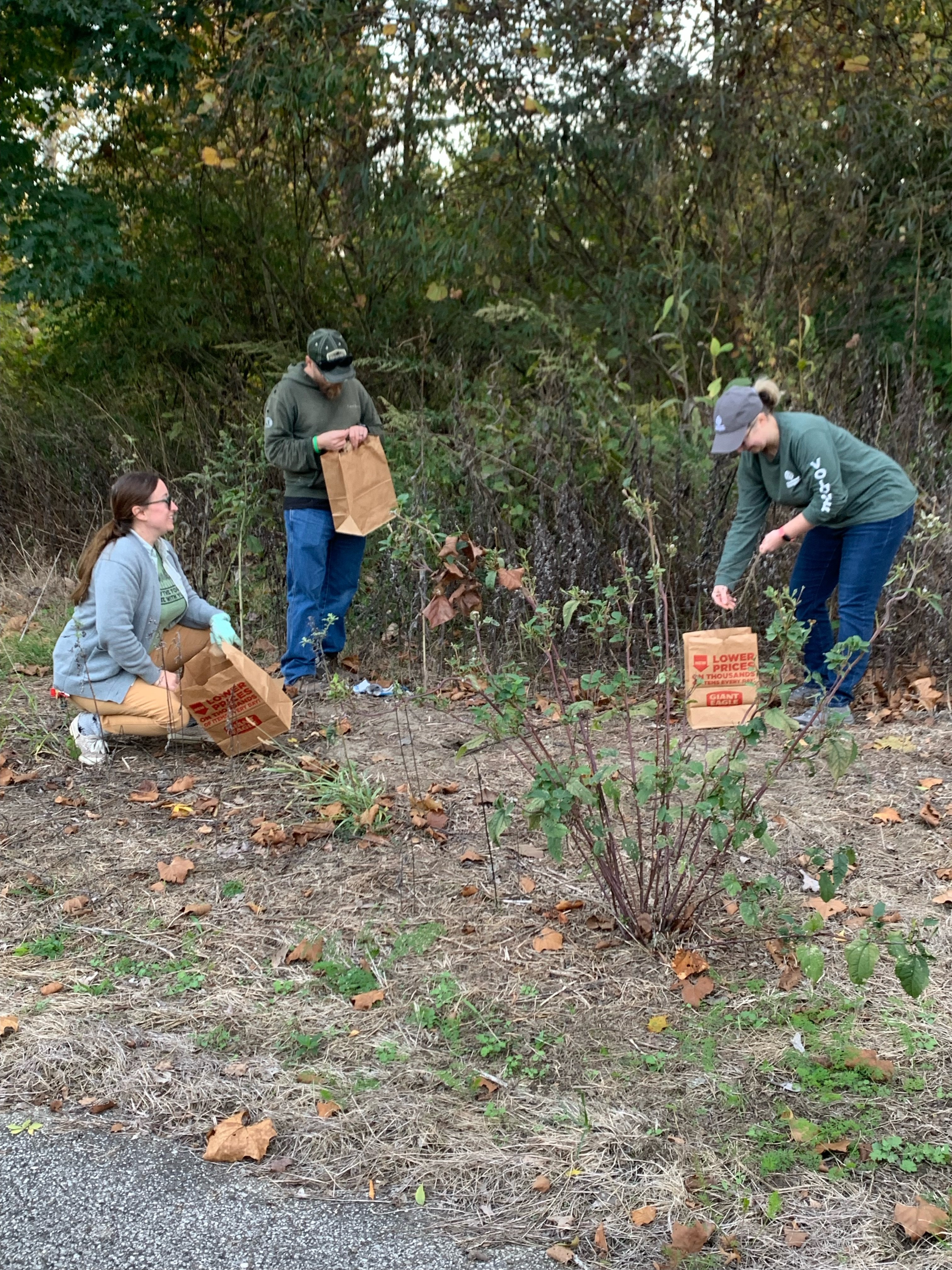
(R) Seed Collection
Sat, Nov 7, 10 a.m. - 12:30 p.m. @ Hinckley Reservation in Rocky River Watershed
Join us collecting native seeds for use in future restoration projects throughout Cleveland Metroparks. Dress in layers for wet soil and thorny vegetation; wear boots, long pants, and long sleeves.
(E) Watershed Book Club
Mon, Nov 9, 6 - 8:00 p.m. @ Watershed Stewardship Center in West Creek Watershed
Join fellow WVP volunteers around the warm, cozy fireplace of the Watershed Stewardship Center to discuss our monthly book club book. For this event, we will be reading The Death and Life of the Great Lakes. All are welcome, including avid readers who finish the book, the volunteers who started but weren't quite able to finish the book, and anyone who is interested in learning more about our watersheds through a lively, facilitated discussion.
(R) Seed Processing
Wed, Nov 11, 6 - 8:00 p.m. @ Watershed Stewardship Center in West Creek Watershed
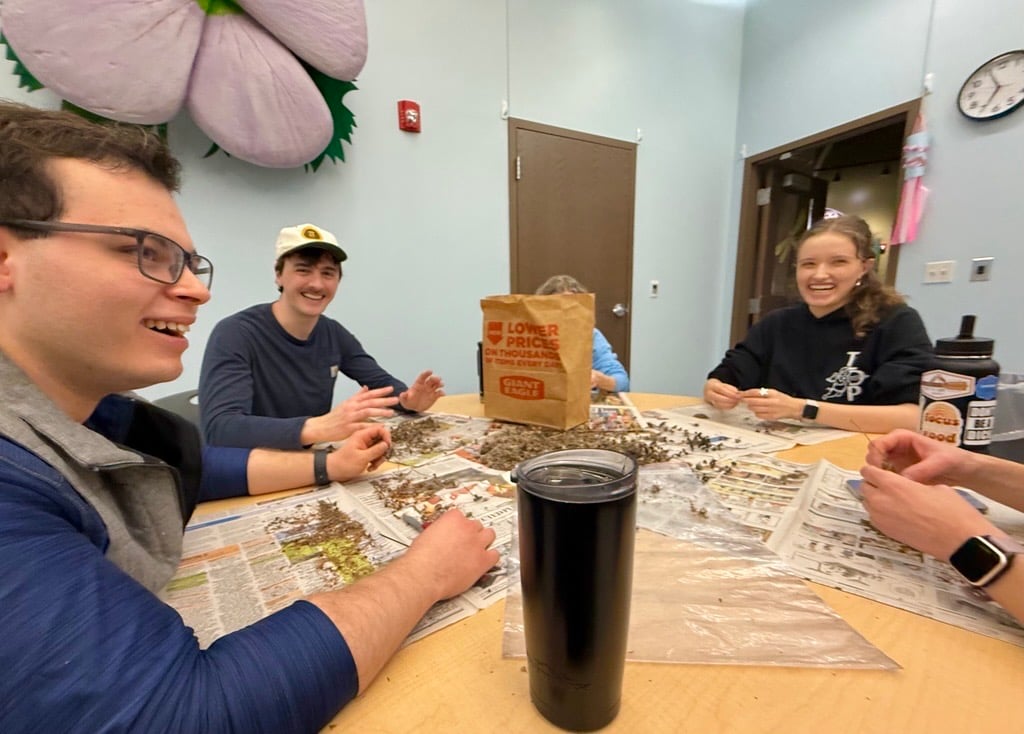
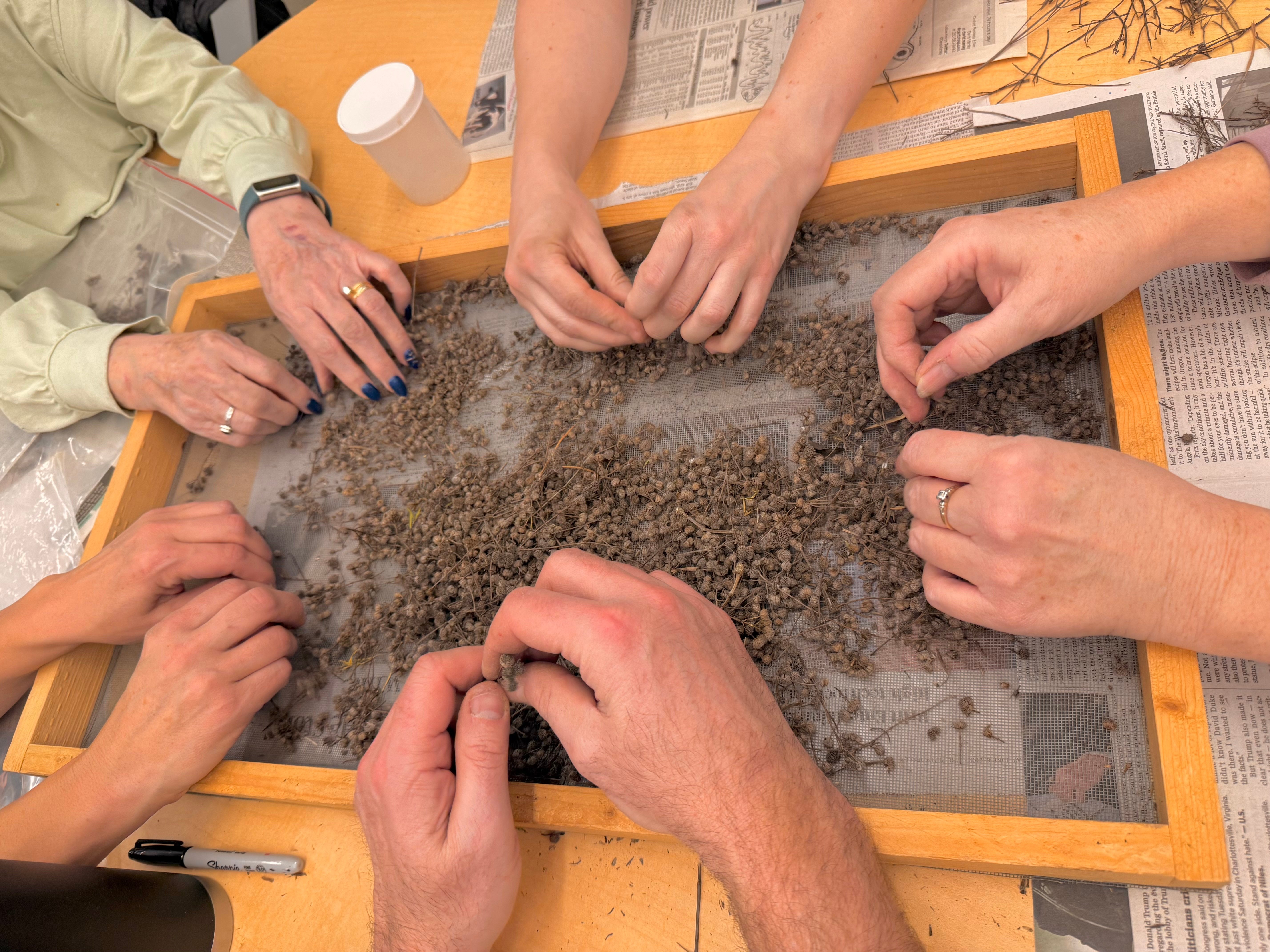
Join WVP as we process and prepare the seeds that we collected during the fall that will be used for future restoration in the reservations.
(R) Live Stake Harvest
Sat, Nov 14, 10 a.m. - 12 p.m. @ Mill Stream Run Reservation in East Branch Rocky River Watershed
Join Stream Restoration Ecologist, Elizabeth Hiser, to harvest live stakes from our browse nursery to help stabilize an eroding ravine in Hinckley Reservation. This site contains tall grasses so be prepared to wear long sleeves, pants, and apply bug spray.
(M) Marine Debris Monitoring
Sun, Nov 15, 9 - 11 a.m. @ Euclid Beach in Euclid Creek Watershed
Join us for monitoring Marine Debris at Euclid Creek.
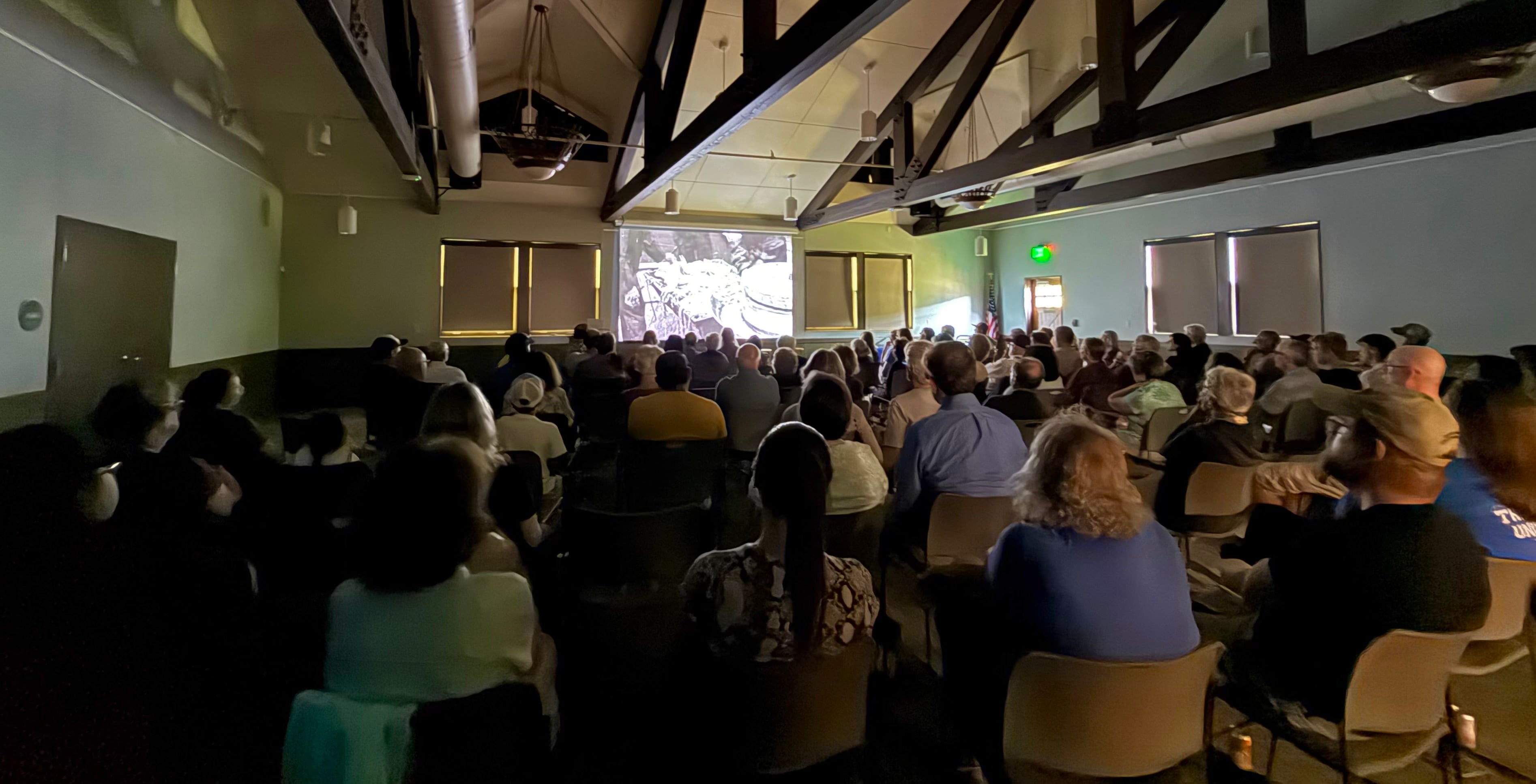
(E) Watershed Wednesday: Documentary Screening of All Too Clear: Beneath the Surface of the Great Lakes
Wed, Nov 18, 6 - 8 p.m. @ Watershed Stewardship Center in West Creek Reservation
Join us for a documentary screening of All Too Clear: Beneath the Surface of the Great Lakes. All Too Clear used cutting-edge underwater drones to explore how quadrillions of tiny invasive mussels, known as quaggas, are re-engineering the ecosystem of the Great Lakes at a scale not seen since the glaciers. To capture this epic change, the husband-and-wife filmmaking team of Zach Melnick and Yvonne Drebert spent more than 150 days filming underwater, making it the most ambitious underwater film ever made about the Great Lakes. Part scientific exploration, part natural history adventure, the film showcases freshwater wildlife and environments like never before.
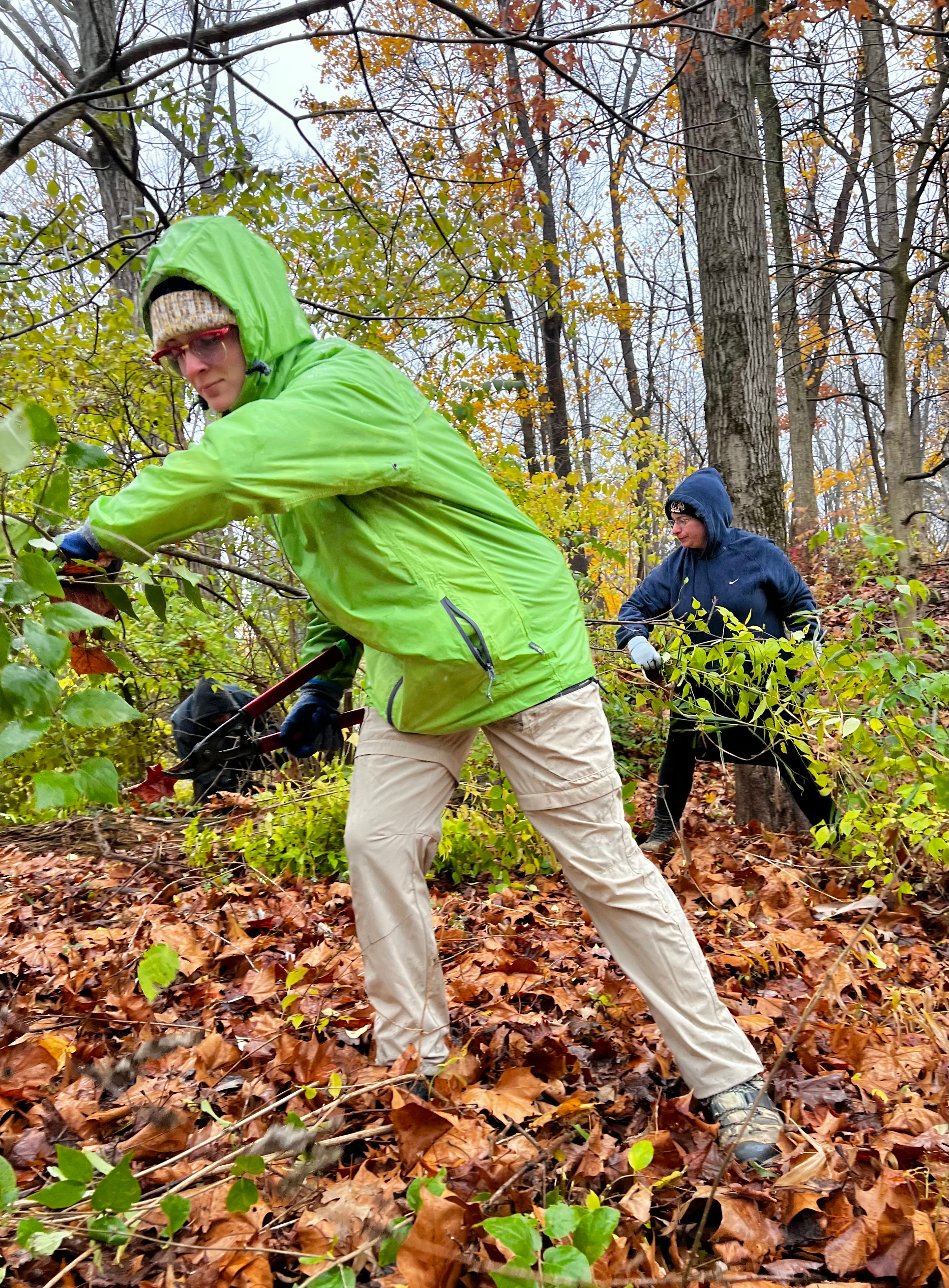
(R) Live Staking Event
Sat, Nov 21, 10 a.m. - 1 p.m. @ Hinckley Reservation in East Branch Rocky River Watershed
Join Stream Restoration Ecologist, Elizabeth Hiser, to help stabilize an eroding gully that was formerly filled with farm debris. This site contains tall grasses so be prepared to wear long sleeves, pants, and apply bug spray.
November Supplemental Events
Hours for supplemental events should be logged in Volgistics as WVP (S) Watershed Partner Event.
(S) West Creek Conservancy: Seed Cleaning
Thurs, Nov 5, 5 - 7:30 p.m. @ Watershed Stewardship Center
Help us prepare native seeds for our Native Seed Library program and support biodiversity across Northeast Ohio! During this hands-on volunteer session, you’ll assist with cleaning and processing native seeds collected from local plants. Seed cleaning is an important step that removes chaff and debris, helping ensure that high-quality seeds are ready to be shared with the community. The seeds you help clean will eventually be distributed through our Native Seed Library network, giving residents free access to native plants that support pollinators, wildlife, and healthier local ecosystems. Every seed you process helps make a positive impact in our community.
More Information and Registration Here
(S) Special Presentation on Environmental Science, Policy, and Careers
Thurs, Nov 12, 2 p.m. @ The Kiva, Kent State University
The Honorable Jane Lubchenco, Ph.D., is coming to Kent State University to give a public presentation about her career as an eminent aquatic scientist and national and global policy maker. She is a former NOAA Administrator and Deputy Director for Climate and the Environment in the White House Office of Science and Technology Policy. She will give a presentation, followed by a Q&A moderated by Chris Winslow, Director of Ohio Sea Grant, and a catered reception.
(S) TCWP: Backyard Buffers Improving Water Quality with Plants
Thurs, Nov 19, 12 - 1 p.m. @ Webinar
Join TCWP's Matt Siefert for a FREE Webinar to discover how vegetative buffers around ponds, streams, and other wet areas can help improve water quality, reduce runoff, and support healthier habitats.
More Information and Registration Here
(S) FoEC: Portage County Bog Tour
Sat, Nov 21, 10 a.m. - 2:30 p.m. @ TBD
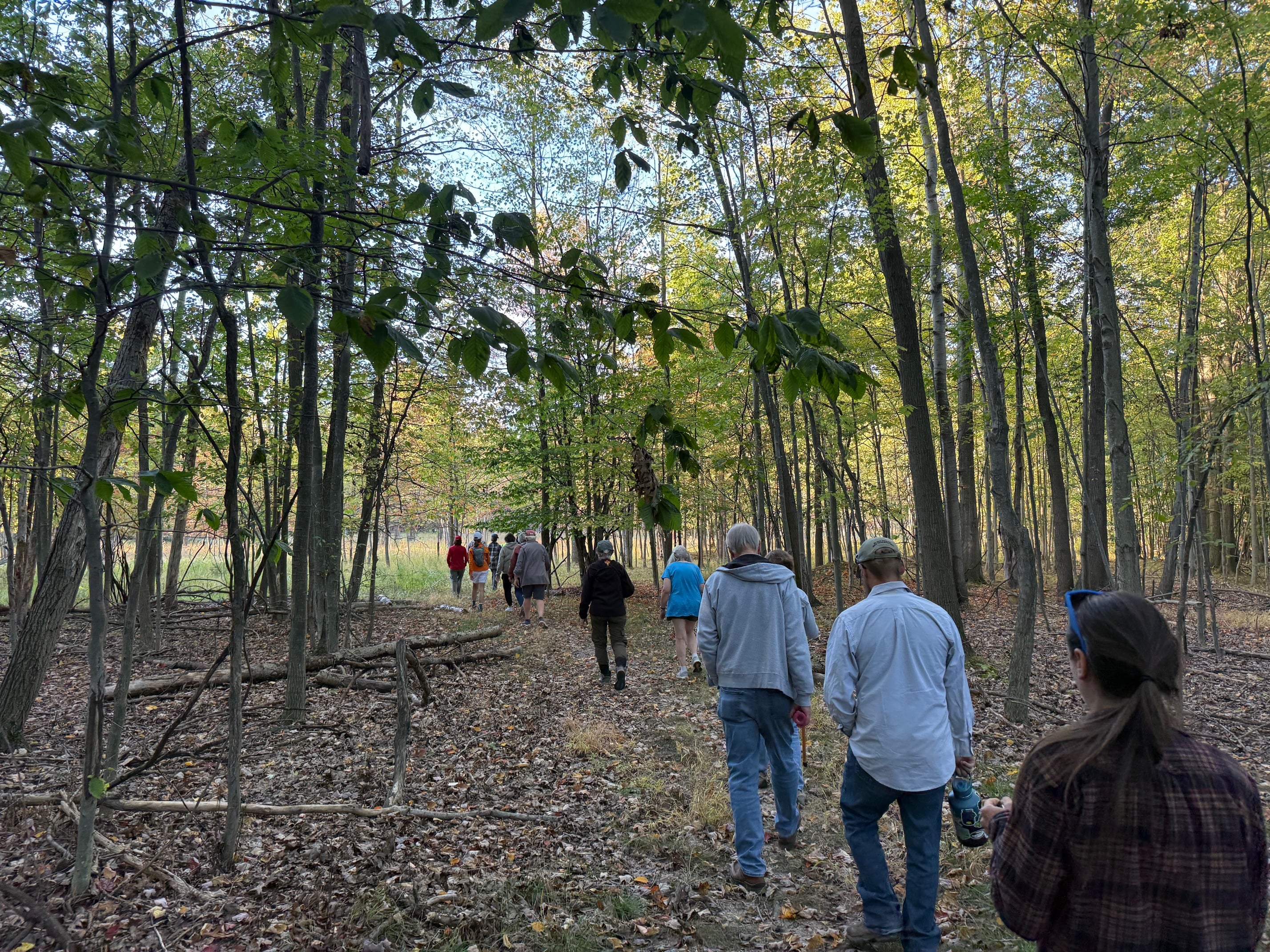
Join Tom Sampliner for an informative walk across boardwalks at two remarkable bog environments in Portage County. The walk at bog #1 will be from 10 am to noon. We will break for lunch that you brought with you or you can purchase from nearby restaurants. We will reassemble at the parking lot for bog#1 at 1 PM. Depending on how many are staying, we may do some carpooling to get to Bog #2, planning to complete our day at 2:30 PM. Expect to see both species of cranberries, the shrub and highbush cranberry, lowbush blueberries, carnivorous plants: sundew and Northern/purple pitcher plant (and learn how they operate). We will also see rare trees and shrubs: gray birch, tamarack, leatherleaf and a sedge the has leaves horizontal in three directions up and down the stem; see “catberry”. Learn to identify poison sumac. Learn about the under the boardwalk tunnels built.
December Events
(R) Seed Processing
Tues, Dec 1, 6 - 8:00 p.m. @ Watershed Stewardship Center in West Creek Watershed
Join WVP as we process and prepare the seeds that we collected during the fall that will be used for future restoration in the reservations.
(E) WVP End of the Year Celebration
Mon, Dec 7, 6 - 8:00 p.m. @ Watershed Stewardship Center in West Creek Watershed
Celebrate the vast body of work accomplished by WVP during 2026 at our annual awards banquet!
Feel free to bring guests. To help us track registration numbers, please register yourself multiple times based on the number of guests you plan to bring (e.g. if you are bringing 2 guests, please register three times, once for yourself and twice for 2 guests).
(M) Marine Debris Monitoring
Sun, Dec 13, 9 - 11 a.m. @ Euclid Beach in Euclid Creek Watershed
Join us for monitoring Marine Debris at Euclid Creek.
(E) Watershed Book Club
Mon, Dec 14, 6 - 8:00 p.m. @ Watershed Stewardship Center in West Creek Watershed
Join fellow WVP volunteers around the warm, cozy fireplace of the Watershed Stewardship Center to discuss our monthly book club book (Title TBA). All are welcome, including avid readers who finish the book, the volunteers who started but weren't quite able to finish the book, and anyone who is interested in learning more about our watersheds through a lively, facilitated discussion.
(R) Seed Processing
Wed, Dec 16, 6 - 8:00 p.m. @ Watershed Stewardship Center in West Creek Watershed
Join WVP as we process and prepare the seeds that we collected during the fall that will be used for future restoration in the reservations.
Coming Attractions
(R) Seed Processing
More in Winter 2027
(E) Watershed Book Club
Nov 9, Dec 14, Jan 11 & more
(M) Winter Stonefly Survey
Winter 2027
(E) Natural Resources: Winter Lecture Series
Winter 2027
Abbreviations you will find in Volgistics:
- WVP- Watershed Volunteer Program
- NR- Natural Resources
- IP- Independent/Special Projects
- E- Education
- M- Monitoring
- R- Restoration
- S- Supplemental (continuing education and partner organization events)
Have further questions about events or registering? Please contact WVP staff at [email protected].